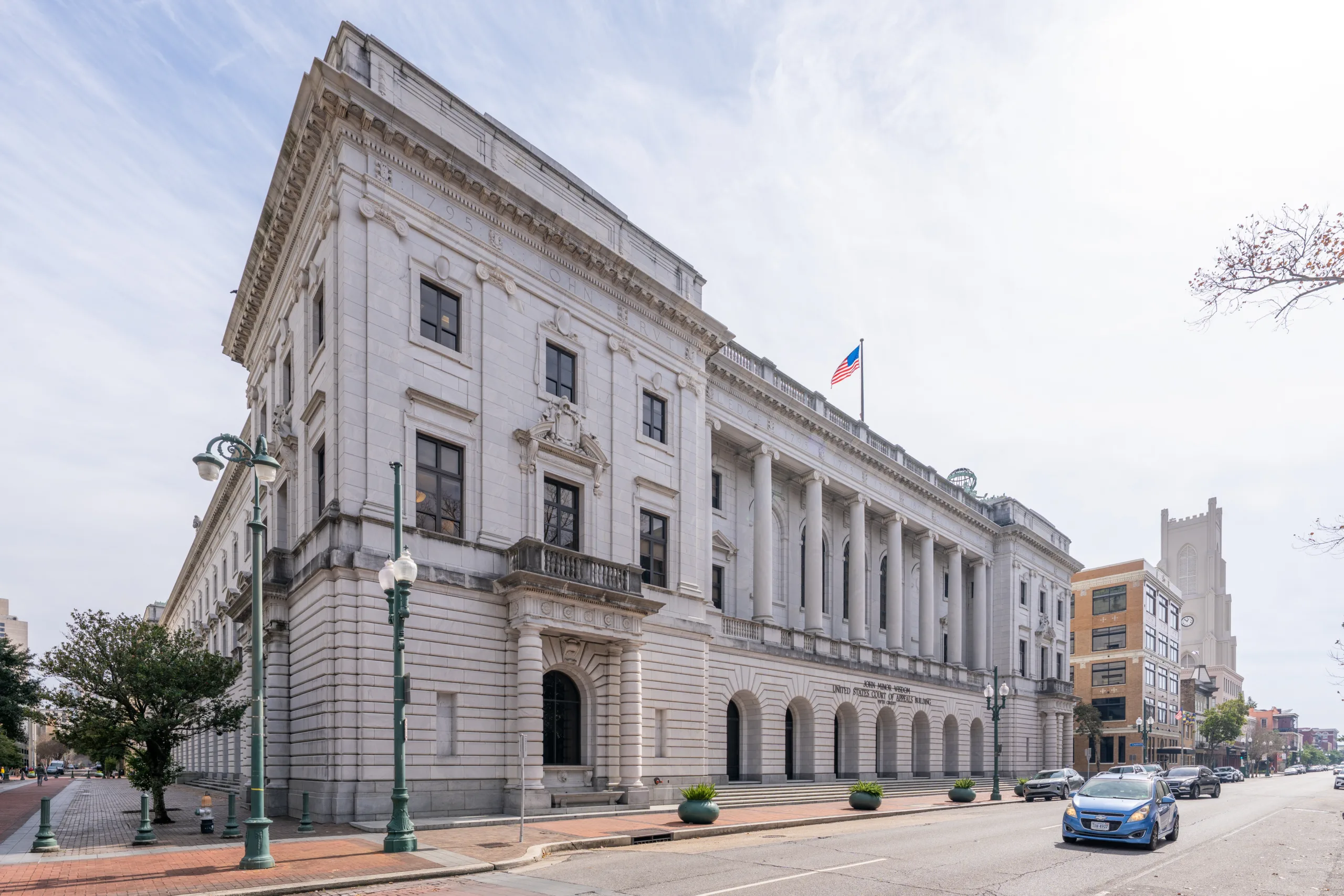


A divided federal appeals court on Friday upheld an injunction blocking enforcement of the Pregnant Workers Fairness Act against Texas, ruling that absent House members could not count toward a constitutional quorum through proxy votes. The 9–8 decision challenged how Congress passed a $1.7 trillion spending package in 2022, while leaving the immediate remedy confined to the pregnancy-accommodation provision and Texas.
What happened
The full Fifth Circuit decided State of Texas v. Blanche on November 20. Judge Cory Wilson’s majority opinion concluded that the House could not establish a quorum by counting members who had delegated their presence to colleagues. The court affirmed the district court’s judgment preventing federal enforcement of the pregnancy law against the state.
The House passed the package 225–201, with one member voting present and 226 voting by proxy, CNN reported. The pandemic-era procedure allowed lawmakers outside the chamber to authorize colleagues to act for them. The dispute turned on whether those absent members could count toward the majority required to conduct business.
The pandemic proxy rule began in May 2020 and ended after the 2022 elections, Reuters reported. It emphasized that the injunction bars the Justice Department and EEOC from enforcing the pregnancy provision against Texas. It does not itself cancel every program financed by the spending law.
The EEOC describes the Pregnant Workers Fairness Act as requiring covered employers to make reasonable adjustments for qualified employees or applicants with known limitations arising from pregnancy, childbirth or related medical conditions, unless doing so would cause undue hardship. It took effect June 27, 2023; the agency’s implementing regulation took effect June 18, 2024.
Examples in the agency’s guidance include access to drinking water, bathroom breaks and opportunities to sit or stand. The EEOC says the statute addresses accommodations and does not replace other federal, state or local protections. Separate laws prohibit pregnancy discrimination. The Texas dispute concerns federal enforcement against the state, rather than a repeal of all pregnancy-related workplace rights.
How outlets covered it
CNN led with the constitutional defect the court found in the broader spending package. It explained the pandemic accommodations and vote totals before stressing the opinion’s limited remedy. Its account also noted that the package funded government operations, emergency assistance for Ukraine and NATO allies, and natural-disaster relief, illustrating why the voting issue could matter beyond this case.
Washington Examiner centered pregnant-worker protections in its headline and opening, describing the law as overturned because of Congress’s pandemic voting procedure. Its opening highlighted the narrow judicial split and the constitutional quorum requirement. That framing put the workplace law’s vulnerability ahead of the spending package’s other provisions.
Reuters led with the finding that the House unconstitutionally passed the spending bill, then distinguished that reasoning from the narrower injunction. It set Wilson’s explanation alongside Judge James Graves’s dissent and reported that neither the Justice Department nor Paxton’s office responded to requests for comment.
The accounts differed most in where they started: the pregnancy law or the spending package’s passage. CNN and Reuters expressly separated the broad constitutional reasoning from the limited relief against federal enforcement in Texas.
What’s disputed
The majority and dissent disagreed about the Constitution’s quorum requirement and the judiciary’s power to review Congress’s determination. Wilson’s majority held that assigning a proxy does not make an absent member present. Graves argued that imposing a physical-presence requirement added language the Constitution does not contain.
Graves also questioned why reasoning that condemned the bill’s passage produced relief for only one provision. The majority affirmed the injunction in the case before it. The decision did not resolve the validity of every other measure Congress passed using pandemic-era proxy procedures.
Opinion: The Civic Bearing’s Take
This section is opinion and reflects The Civic Bearing’s conservative perspective.
A worthwhile policy goal does not excuse bypassing the Constitution. Congress should enact durable workplace protections through procedures that can withstand scrutiny, rather than leave employees and employers dependent on disputed voting arrangements. The merits of accommodating pregnancy deserve a legislative debate separate from the legal validity of this vote.
Precision also matters when describing a court’s power. This injunction runs against enforcement of one provision against Texas. Treating it as the automatic disappearance of an entire spending package would exaggerate what the judges ordered. Congress should address the procedural vulnerability directly, while preserving a clear distinction between constitutional limits and the policy choices lawmakers remain free to make.
How this article was produced
This article was generated using AI from the sources linked below. It does not include firsthand reporting or interviews. Our editors monitor published articles and correct errors promptly. Claims attributed to outside sources have not been independently verified by this publication.
Found an error? Email corrections@thecivicbearing.com.
Sources
- U.S. Court of Appeals for the Fifth Circuit, via Justia — State of Texas v. Blanche, No. 24-10386 (November 20, 2026)
- EEOC — What You Should Know About the Pregnant Workers Fairness Act (accessed November 21, 2026)
- CNN, via ABC17 News — Biden-era spending law found unconstitutional by federal appeals court (November 21, 2026)
- Washington Examiner — Court overturns federal pregnant workers’ law due to Congress’s COVID-era remote voting (November 21, 2026)
- Reuters, via GV Wire — US House Unconstitutionally Passed Spending Bill in 2022, Court Rules (November 21, 2026)