


Texas imposed new animal-movement restrictions November 25 after New World screwworm was detected in a white-tailed deer in McMullen County and cattle in Duval County. The two orders establish quarantine zones covering designated areas in six South Texas counties, with prior authorization required to move warm-blooded animals outside their boundaries.
What happened
The Texas Animal Health Commission’s McMullen County order establishes Infested Zone 48 in portions of Atascosa, La Salle, Live Oak and McMullen counties. It identifies a November 25 detection in a white-tailed deer as the reason for the action.
A separate Duval County order establishes Infested Zone 47 in designated areas of Duval and Jim Wells counties after a November 25 detection in a bovine. Both orders were signed that day by the commission’s executive director, Lewis R. Dinges, and took effect immediately.
The restrictions apply to the areas shown on each order’s map. Listing a county in an order does not mean that every location in that county is inside the zone. TAHC’s current screwworm page links to its interactive zone map and animal-movement guidance.
Under both orders, anyone possessing or controlling warm-blooded animals in the designated zone must obtain commission permission and meet its conditions before moving those animals beyond the boundary. The language covers warm-blooded animals generally, rather than only cattle.
An animal moving out must be inspected, receive any treatment required by the commission and have a permit or movement certificate issued by a commission representative. Hides, carcasses and animal parts capable of hosting screwworm also require inspection and any necessary treatment before removal.
The orders warn that unauthorized movement can lead to administrative penalties or criminal prosecution. Neither sets a fixed expiration date. Each remains in effect until the commission releases the quarantine.
TAHC says movement controls help prevent infested animals from carrying flies and larvae into new areas. Its orders describe screwworm as a parasitic fly that lays eggs in wounds or soft tissue. The larvae feed on living tissue, enlarging wounds and potentially causing serious injury, secondary infection or death if untreated.
The commission’s current guidance tells owners planning to leave an infested zone to contact TAHC or a certified screwworm inspector to arrange inspection. Its movement and treatment certificate records the prevention or treatment product and the animals’ official identification, and must accompany the movement.
The agency’s November 25 postings also include modifications to other existing South Texas zones. The two new orders therefore form part of a wider response, rather than a quarantine applying uniformly across the whole state. Owners can use the commission’s linked map to check a particular location.
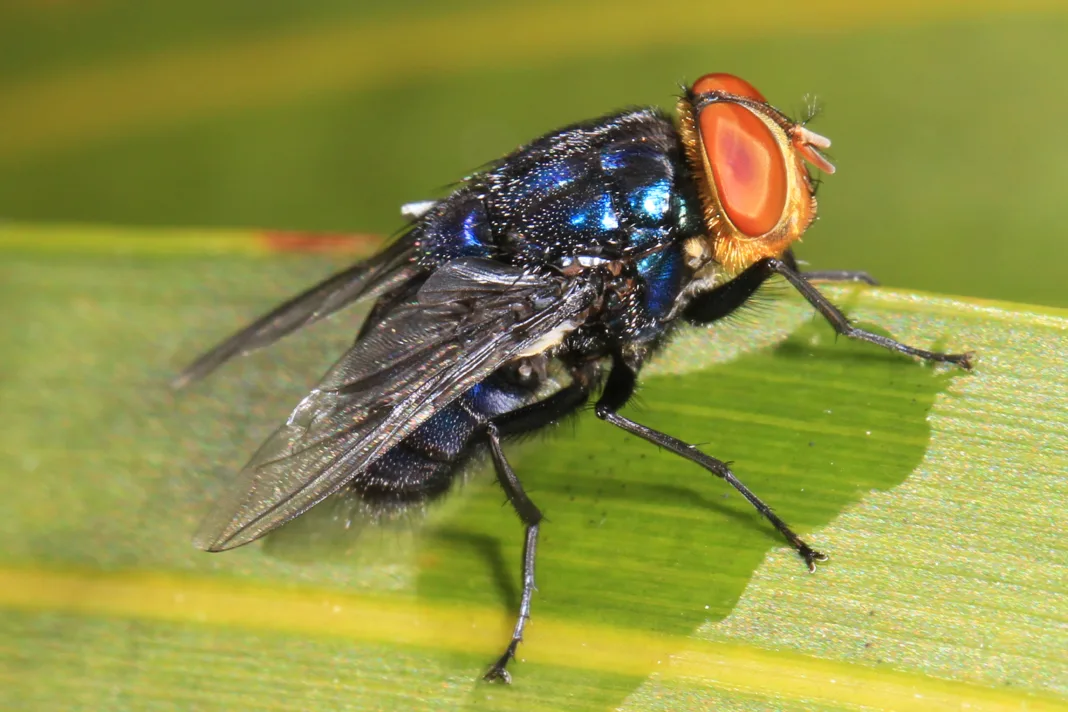
The U.S. Department of Agriculture’s reporting guidance advises checking animals for unusual wounds and infestations instead of trying to identify adult flies. Many fly species look alike, and a screwworm fly could be a sterile insect released as part of eradication efforts.
Signs USDA lists include maggots or eggs around wounds and body openings, enlarging or draining wounds, foul odor and behavior indicating pain. For suspected cases in Texas livestock, the agency directs owners to their TAHC regional office or the state veterinarian on call at 1-800-550-8242.
USDA advises pet owners to contact a veterinarian if they suspect screwworm. Suspected wildlife cases in Texas should be reported to Texas Parks and Wildlife. These reporting instructions are separate from the commission’s permission requirements for moving animals out of a quarantine zone.
USDA’s national response page says screwworm is not a food-safety issue and the U.S. food supply remains safe. It describes a coordinated federal and state response that includes targeted releases of sterile flies and surveillance.
What’s disputed
The orders identify the detections and impose specific movement requirements; they do not announce when either quarantine will end. Release depends on further commission action. The immediate questions for affected owners are whether their animals are inside a mapped zone and what inspection, treatment and documentation TAHC requires for a proposed movement.
How this article was produced
This article was generated using AI from the sources linked below. It does not include firsthand reporting or interviews. Our editors monitor published articles and correct errors promptly. Claims attributed to outside sources have not been independently verified by this publication.
Found an error? Email corrections@thecivicbearing.com.
Sources
- Texas Animal Health Commission — Movement restrictions in Atascosa, La Salle, Live Oak and McMullen counties (November 25, 2026)
- Texas Animal Health Commission — Movement restrictions in Duval and Jim Wells counties (November 25, 2026)
- Texas Animal Health Commission — Current screwworm orders and animal-movement guidance (accessed November 26, 2026)
- USDA APHIS — Report Suspected Cases of Screwworm (updated November 16, 2026)
- USDA APHIS — Unified Government Response to Protect the United States (updated November 24, 2026)