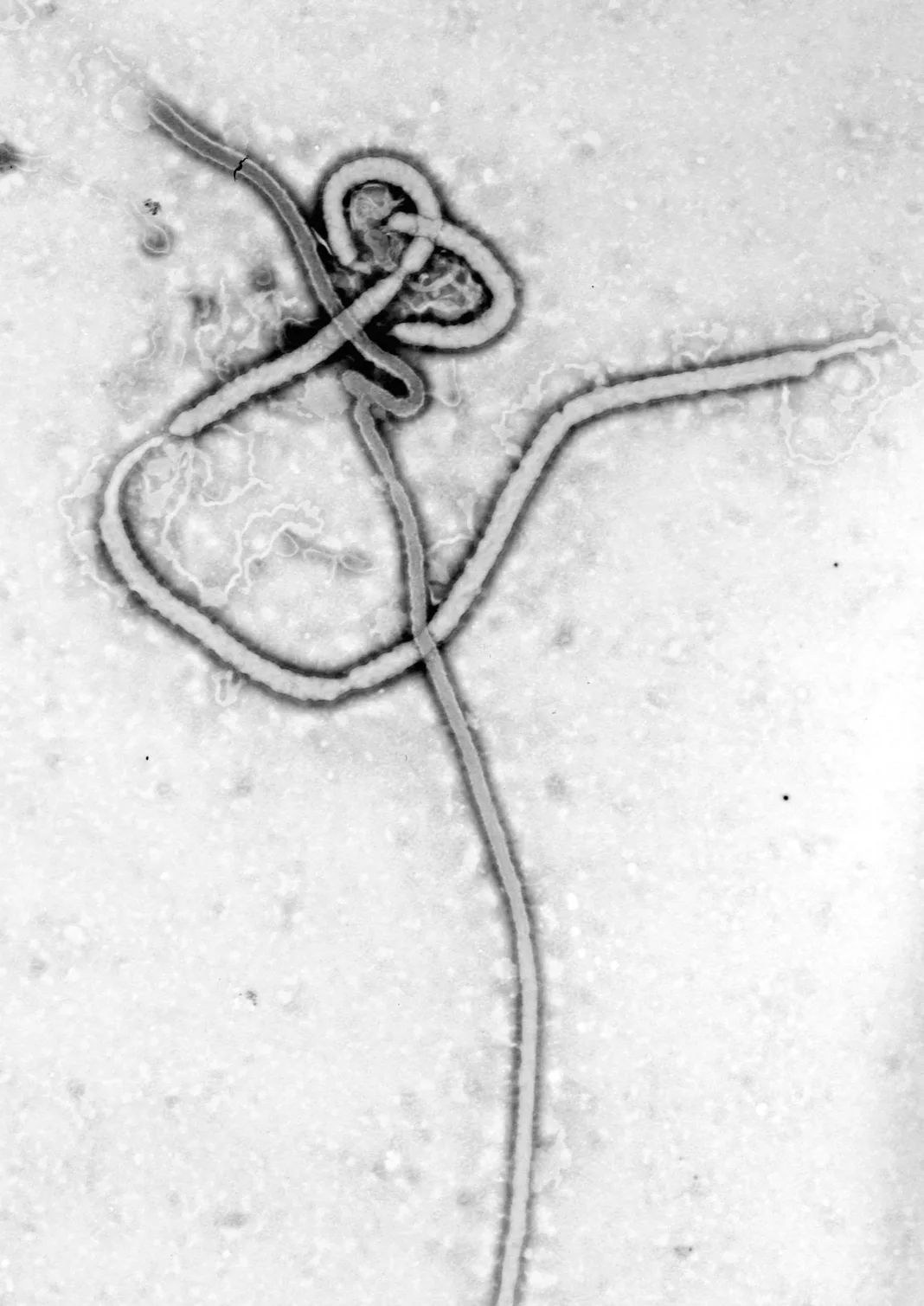


Kenya’s High Court on November 26 halted further construction and operation of a U.S.-backed Ebola quarantine facility at Laikipia Air Base and ordered disclosure of the project’s documents within 45 days. The decision requires court approval of compliance before work can resume, according to petitioner Katiba Institute’s account of the judgment.
What happened
Justice Patricia Nyaundi found constitutional failures in the government’s handling of the facility, which was intended to accommodate Americans exposed to Ebola. The case challenged how the arrangement was approved and what residents were told before the project proceeded, Kenyans.co.ke reported.
The court found that Health Cabinet Secretary Aden Duale had failed to uphold Article 10’s requirements for transparency, accountability and public participation. It also found a breach of Article 35(3) over continued failure to release information, Katiba Institute said.
The required disclosures include the agreement and related negotiations, health and environmental assessments, biosafety and security assessments, and approvals from Parliament, regulators and county authorities. The government must also provide protocols governing admission, handling, isolation and treatment of exposed people, according to Kenyans.co.ke.
Providing the documents alone does not automatically permit construction or operations to restart. The judge prohibited further work and use of the facility until the court certifies satisfactory compliance with the disclosure order, Katiba Institute said.
The 50-bed tented site near Nanyuki had already been used to quarantine seven American aid workers in July following their work in Congo, Reuters reported. President William Ruto said in June that he had approved the project after President Donald Trump requested Kenya’s support, citing the countries’ longstanding health cooperation.
The legal dispute began before the facility was due to open. Katiba Institute filed its petition on May 28, and the court suspended the project that day. In June, the court found the health secretary in contempt for allowing construction to continue, according to the institute’s chronology.
KELIN, an interested party in the case, said the judgment preserves the government’s ability to strengthen Ebola preparedness while requiring constitutional compliance. The organization had argued that access to government information during health emergencies helps build trust and encourages people to follow public-health directives.
Kenya’s first imported case of the Bundibugyo Ebola strain was identified in early October in a traveler arriving from Congo through Uganda. By mid-November, two patients had died and seven others had recovered. Reuters reported no new cases since October 19, with a 42-day countdown toward an Ebola-free declaration beginning after the last patient’s discharge.
How outlets covered it
Reuters connected the ruling to the international quarantine arrangement, the earlier protests and Kenya’s outbreak status. Its report said Kenyan health ministry and U.S. State Department spokespeople had not immediately responded to requests for comment. It also included a protest participant’s response to the decision.
Associated Press emphasized residents’ concerns that an outbreak could overwhelm the health system. Its report also described the Trump administration’s plan to send Americans exposed abroad to the Kenyan facility instead of flying them home, and a planned $13.5 million U.S. commitment to Kenya’s Ebola preparedness.
Kenyans.co.ke focused on the orders the government must satisfy: the 45-day disclosure deadline, the documents required and the court’s control over any restart. Its account traced those requirements to constitutional duties on public participation and access to information.
The reports shared an emphasis on the construction halt and missing public information. Reuters gave more space to the cross-border health arrangement; Kenyans.co.ke detailed the compliance requirements.
What’s disputed
The Kenyan government’s response to the final ruling and the future of the U.S. arrangement remained unresolved in Reuters’ report. KELIN said it was awaiting the full judgment before providing further updates; its statement supported the transparency findings rather than opposing Ebola preparedness itself.
Opinion: The Civic Bearing’s Take
This section is opinion and reflects The Civic Bearing’s conservative perspective.
International health cooperation needs public confidence as well as medical capacity. An agreement involving Americans on foreign soil should be supported by clear terms, disclosed safeguards and respect for the host country’s legal process.
The practical test now is compliance. Washington and Nairobi should favor a transparent, lawful arrangement over an effort to rush the project ahead while basic questions about its authorization remain unanswered.
How this article was produced
This article was generated using AI from the sources linked below. It does not include firsthand reporting or interviews. Our editors monitor published articles and correct errors promptly. Claims attributed to outside sources have not been independently verified by this publication.
Found an error? Email corrections@thecivicbearing.com.
Sources
- Katiba Institute — High Court Rules Laikipia Ebola Quarantine Arrangement Unconstitutional (November 26, 2026)
- KELIN — High Court halts U.S.-backed Ebola facility, finds government failed to meet constitutional requirements (November 26, 2026)
- Reuters — Kenya breached constitution by allowing US-backed Ebola quarantine site, court says (November 26, 2026)
- Associated Press — US-backed Ebola quarantine center violated constitution, Kenyan court rules (November 26, 2026)
- Kenyans.co.ke — High Court Declares Laikipia Ebola Quarantine Deal Unconstitutional (November 26, 2026)