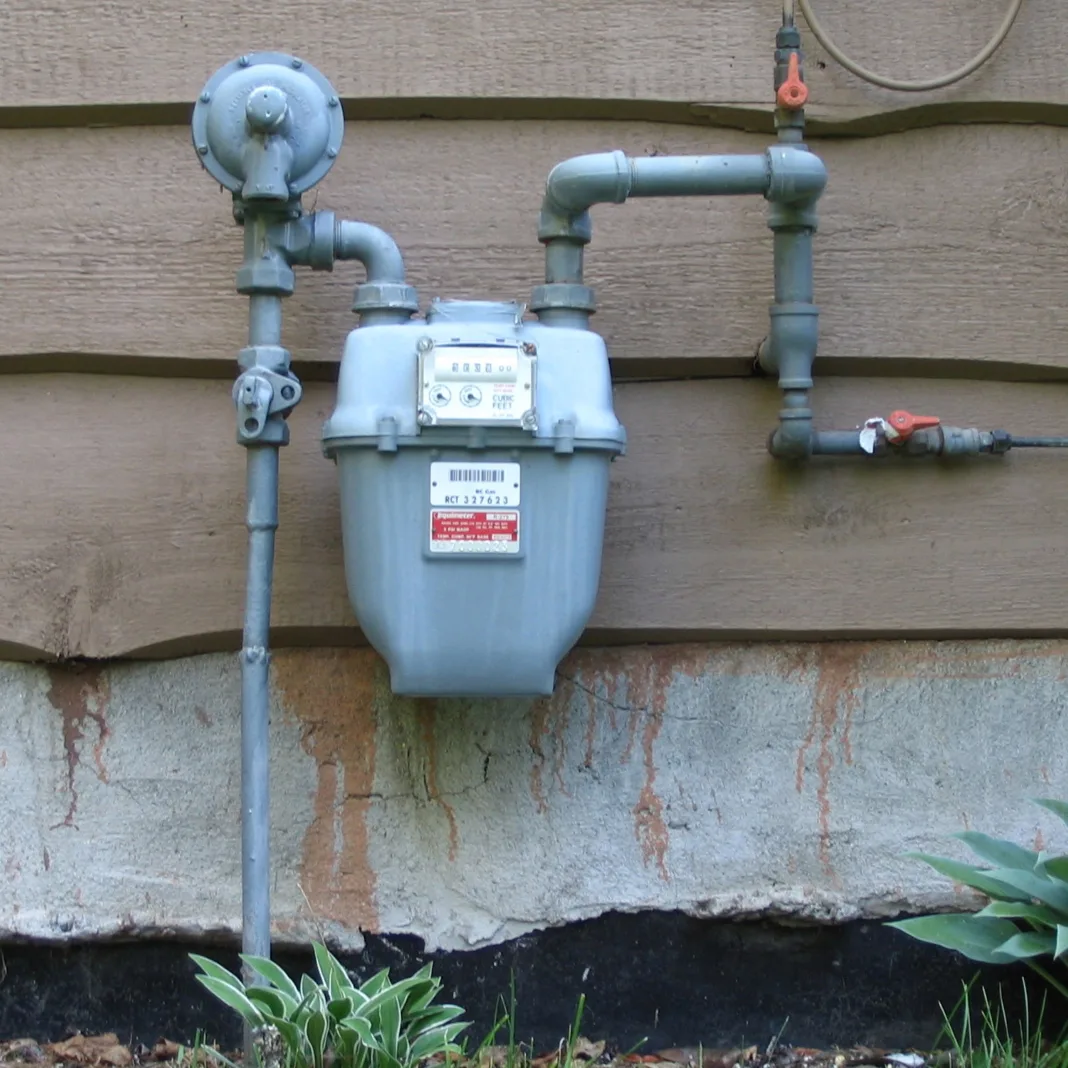



Atmos Energy faces a December 2 deadline to redo risk-modeling and leak-reporting plans in a Texas Railroad Commission safety investigation, The Texas Tribune reported November 25. The Dallas-based utility serves more than 2 million Texas customers.
What happened
The investigation began in June after a routine inspection identified seven alleged violations. The Tribune reported deficiencies involving records, plastic-pipe risk scoring, reporting and procedures for tracking equipment failures or upgrading safety measures. The company could face up to $2 million in fines.
Regulators rejected parts of Atmos’ corrective proposals. Some revised submissions are due December 2; three outstanding items received extensions until January 20. The commission approved the plan addressing inaccurate or missing records, according to the Tribune.
The Pipeline and Hazardous Materials Safety Administration requires gas distribution operators to maintain written integrity-management programs. Operators must understand their systems’ materials, operating environments and maintenance histories; identify threats; rank risks; implement measures to address them; and evaluate whether those measures work. The requirements also call for periodic improvements and performance reporting to federal regulators and, where applicable, states.
For customers who suspect a leak, Atmos’ safety guidance says to leave the area immediately and call 911 and its emergency line, 866-322-8667, from a safe distance. The company says it sends a trained technician to investigate at no cost and warns customers not to assume someone else has reported the problem.
Atmos also warns against relying on smell alone: other odors can mask the added odorant, and continued exposure can reduce a person’s ability to notice it. Its guidance urges customers to use sight and hearing as well.
What’s disputed
Atmos told the Tribune it was cooperating, but disputed regulators’ assessment of plastic-pipe risk scoring and differences between federal and state repaired-leak counts. It said its scoring followed protocol and reporting differences were expected. The commission said extensions allow time for corrective work and that it retains enforcement authority.
How this article was produced
This article was generated using AI from the sources linked below. It does not include firsthand reporting or interviews. Our editors monitor published articles and correct errors promptly. Claims attributed to outside sources have not been independently verified by this publication.
Found an error? Email corrections@thecivicbearing.com.
Sources
- The Texas Tribune — Railroad Commission investigating Dallas gas utility over alleged safety violations (November 25, 2026)
- PHMSA — Gas Distribution Integrity Management Program (updated August 23, 2018)
- Atmos Energy — Recognizing a Leak (undated; accessed November 27, 2026)