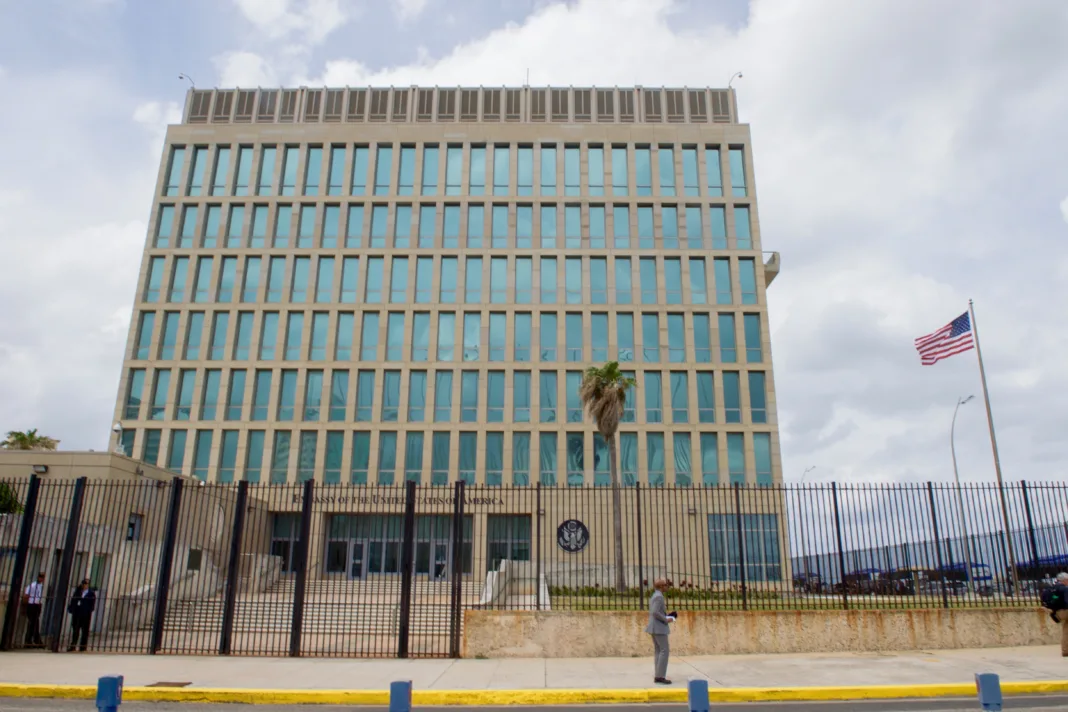



The State Department has confirmed that Cuban American teacher Alina López Miyares returned to the United States in September after years of detention in Cuba. CNN and Fox News reported the confirmation November 20. Officials said there was no exchange for her release; the return happened two months before today’s reports.
What happened
A U.S. government team traveled to Havana to bring López Miyares home, CNN reported, citing two sources familiar with the matter and a State Department spokesperson. The 68-year-old special education teacher had been detained in 2017 and sentenced by a Cuban military court to 13 years on espionage charges.
A State Department official separately confirmed the September return to Fox News and said no exchange took place. The department declined to provide additional details out of respect for her privacy. The confirmation established the month she came home without identifying a precise release date.
CNN said her lawyers requested privacy and that Secretary of State Marco Rubio supported the release effort. The network sought comment from Cuban officials.
Her case had drawn a formal international finding years earlier. In Opinion No. 37/2022, adopted April 8, 2022, the UN Working Group on Arbitrary Detention concluded that her detention was arbitrary and called for immediate release, compensation and other reparations. That finding concerned detention and trial rights; the working group did not act as an appellate court reassessing guilt.
The group criticized trying a civilian in a military court and restrictions on her defense. It found she had spent four months without legal assistance and had not benefited from consular assistance. It also faulted the lack of independent judicial oversight.
Cuba had told the group that its proceedings followed national law and respected procedural guarantees. The UN experts rejected the adequacy of those protections under international human rights standards. They urged an independent investigation into the violations and asked for follow-up information about release, compensation and changes in practice.
How outlets covered it
CNN presented the return as a previously unreported release and gave the most detailed account of the effort to bring her home. It included the government team’s trip, her lawyers’ privacy request and background on her family’s efforts. Its opening placed the release against tensions between Washington and Havana.
Fox News centered its report on her return and the State Department’s direct confirmation. It included the no-exchange statement and brief background on her Cuban birth, U.S. citizenship and military-court sentence. Its shorter account also noted the UN finding, while offering fewer details about the effort to secure her return.
Reuters explicitly credited CNN in its brief. It summarized the detention and the September trip, presenting an attributed account rather than a separate investigation into the arrangements.
The reports agreed on the September return. CNN emphasized the effort and personal background, Fox added its own departmental confirmation, and Reuters delivered a short attributed summary. Their differing levels of detail did not establish different release terms.
What’s disputed
The public accounts do not explain the full arrangements that led to her release. The State Department says there was no exchange and is withholding further information for privacy reasons. CNN reported that the United States also made no payment.
The UN opinion records Cuba’s defense of its proceedings and the working group’s contrary findings on detention and trial safeguards. Today’s confirmation does not explain whether the compensation, investigation or other remedies the group requested were provided.
Opinion: The Civic Bearing’s Take
This section is opinion and reflects The Civic Bearing’s conservative perspective.
Bringing an American home is an outcome worth welcoming. Protecting citizens abroad should remain a basic responsibility of U.S. diplomacy, including when relations with the detaining government are hostile. That work deserves attention without requiring a returned detainee to surrender her privacy for a public account.
The earlier UN findings also deserve to remain part of the record. Release addresses the immediate loss of liberty; it does not erase concerns about military trials of civilians or access to counsel. A firm foreign policy should defend those protections consistently and press for accountability while respecting the individual who has finally returned home. Respect for an individual’s liberty should guide both the pursuit of release and the treatment of that person afterward.
How this article was produced
This article was generated using AI from the sources linked below. It does not include firsthand reporting or interviews. Our editors monitor published articles and correct errors promptly. Claims attributed to outside sources have not been independently verified by this publication.
Found an error? Email corrections@thecivicbearing.com.
Sources
- CNN, via KESQ — Exclusive: American detained in Cuba for nearly a decade quietly released (November 20, 2026)
- Fox News — American detained in Cuba for nearly a decade released (November 20, 2026)
- Reuters — American detained in Cuba for nearly a decade released, CNN reports (November 20, 2026)
- UN Working Group on Arbitrary Detention — Opinion No. 37/2022 concerning Alina López Miyares (adopted April 8, 2022)