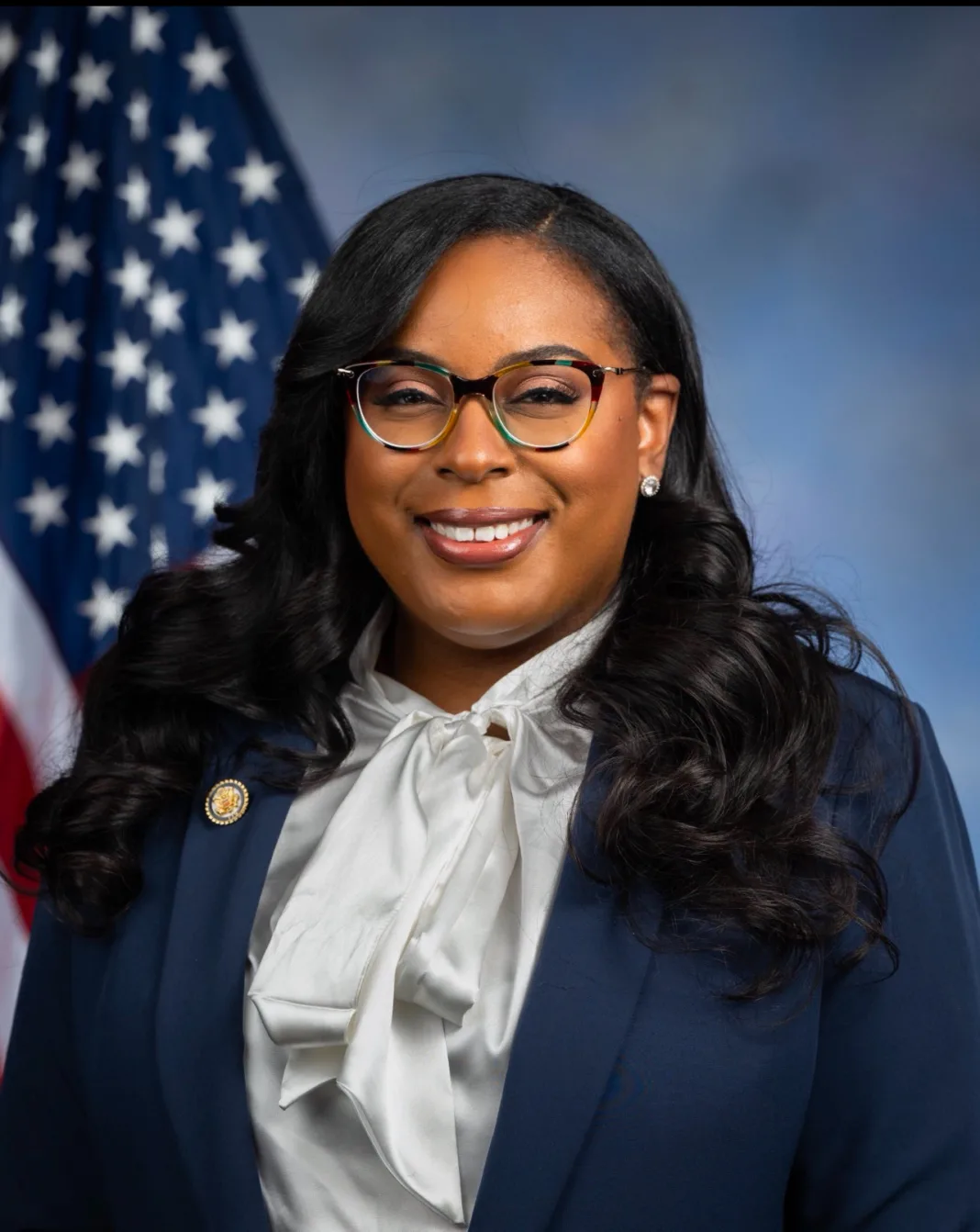


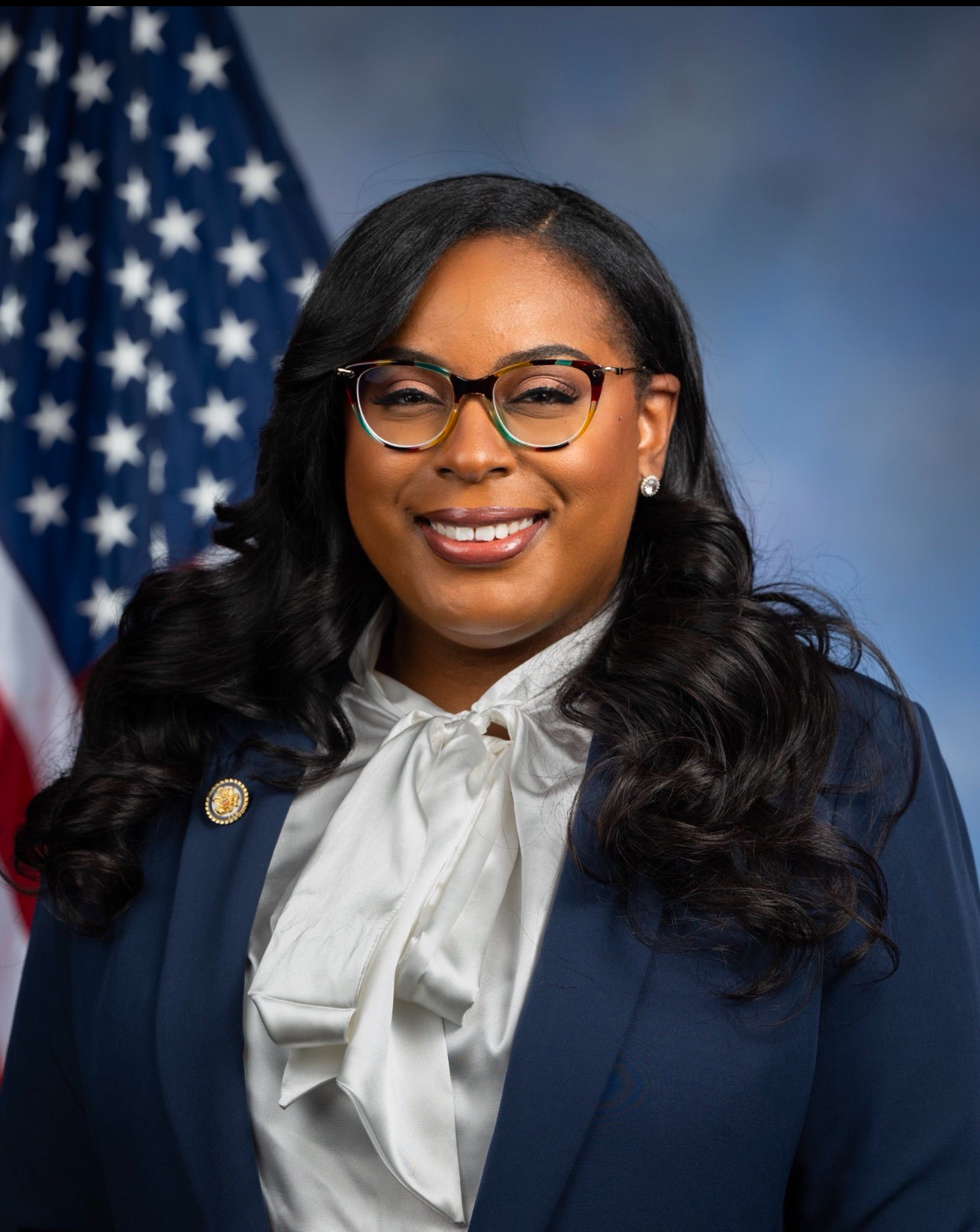
The Third Circuit Court of Appeals declined November 19 to rehear Rep. LaMonica McIver’s challenge to criminal charges arising from a visit to a New Jersey immigration detention facility. The decision leaves an earlier, divided immunity ruling in place as McIver considers further legal options.
What happened
The rehearing order denied reconsideration both by the original panel and by the full court. Three of the 13 participating judges favored rehearing, New Jersey Monitor reported. The case concerns a confrontation outside Delaney Hall in Newark during a congressional oversight visit in May 2025.
The underlying August 26 opinion did not treat all three counts alike. It upheld the rejection of McIver’s immunity argument for counts one and two because those prosecutions would not require her to answer for legislative acts. It vacated the decision concerning count three and sent that issue back to the district court for further consideration.
McIver invoked the Constitution’s Speech or Debate Clause, separation of powers and claims of selective and vindictive prosecution. The appellate court dismissed the remaining portions of her appeal for lack of jurisdiction. Its opinion concerned whether the prosecution could proceed; it was not a verdict on the criminal allegations.
The same opinion identifies the May 9, 2025, visit as a congressional inspection conducted under statutory authority. The dispute is therefore not simply whether lawmakers may inspect detention facilities. It concerns whether the particular conduct charged falls within protection for legislative activity.
In a statement issued after the denial, McIver said her lawyers were examining their next options. She described the prosecution as politically motivated and as a threat to congressional oversight. Her office said she could face 17 years in prison if convicted; that is a potential penalty, not a sentence imposed by the court.
Roll Call reported that a request for Supreme Court review could follow. The November 19 action was a Third Circuit decision, not a Supreme Court ruling accepting or rejecting McIver’s arguments.
How outlets covered it
New Jersey Monitor led with the full court’s rejection of the appeal, the rehearing vote and the limited reach of the earlier immunity decision. Its account gave space to McIver’s argument that the prosecution punishes oversight and situated the case in the confrontation surrounding Newark Mayor Ras Baraka’s arrest.
Washington Examiner framed the result as another courtroom loss for McIver. Its headline emphasized the assault charges, and its opening paragraphs described the denial as a setback in her effort to avoid prosecution through congressional immunity. That framing foregrounded the prosecution’s ability to continue.
Roll Call emphasized the possible next step at the Supreme Court. It also explained the split August decision, including the different treatment of the third count, and discussed Judge Thomas Ambro’s partial dissent. Its focus was the constitutional dispute and the remaining procedural options.
The reports described the same rehearing denial but emphasized different consequences: the local oversight conflict, a legal setback for the defendant, and the route to possible further review.
What’s disputed
Prosecutors allege that McIver struck federal officers during the confrontation, according to Roll Call’s account of the filings. McIver maintains that she was carrying out oversight and that the charges are unjust. Those competing positions remain allegations and arguments in an unresolved criminal case.
The judges also differed over how closely the lower court should examine the charged conduct and the claimed political motivation. Roll Call reported that Ambro favored a more searching examination. The rehearing denial leaves the August majority’s disposition in place; it does not turn the dissent’s questions into findings of fact.
Opinion: The Civic Bearing’s Take
This section is opinion and reflects The Civic Bearing’s conservative perspective.
Congressional oversight deserves protection, and elected office should not create a blanket exemption from ordinary criminal law. The useful distinction is between protected legislative work and the specific conduct prosecutors allege. Courts should draw that line carefully, without treating a lawmaker’s party or an administration’s policy agenda as a substitute for legal analysis.
The prosecution should have to prove its allegations through the judicial process, while McIver should retain a full opportunity to challenge both the charges and the government’s motives. A rehearing denial warrants neither a declaration of guilt nor an assumption that an oversight visit immunizes everything that happens around it. Accountability and due process should operate together.
How this article was produced
This article was generated using AI from the sources linked below. It does not include firsthand reporting or interviews. Our editors monitor published articles and correct errors promptly. Claims attributed to outside sources have not been independently verified by this publication.
Found an error? Email corrections@thecivicbearing.com.
Sources
- Third Circuit — United States v. McIver, order denying rehearing (November 19, 2026)
- Third Circuit — United States v. McIver, panel opinion (August 26, 2026)
- Rep. LaMonica McIver — McIver Speaks on Major Third Circuit Decision to Allow Case to Proceed (November 19, 2026)
- New Jersey Monitor — Full 3rd Circuit rejects McIver’s appeal (November 19, 2026)
- Washington Examiner — LaMonica McIver suffers another loss in court in bid to toss ICE assault charges (November 19, 2026)
- Roll Call — Appeals court stands by LaMonica McIver ruling (November 19, 2026)