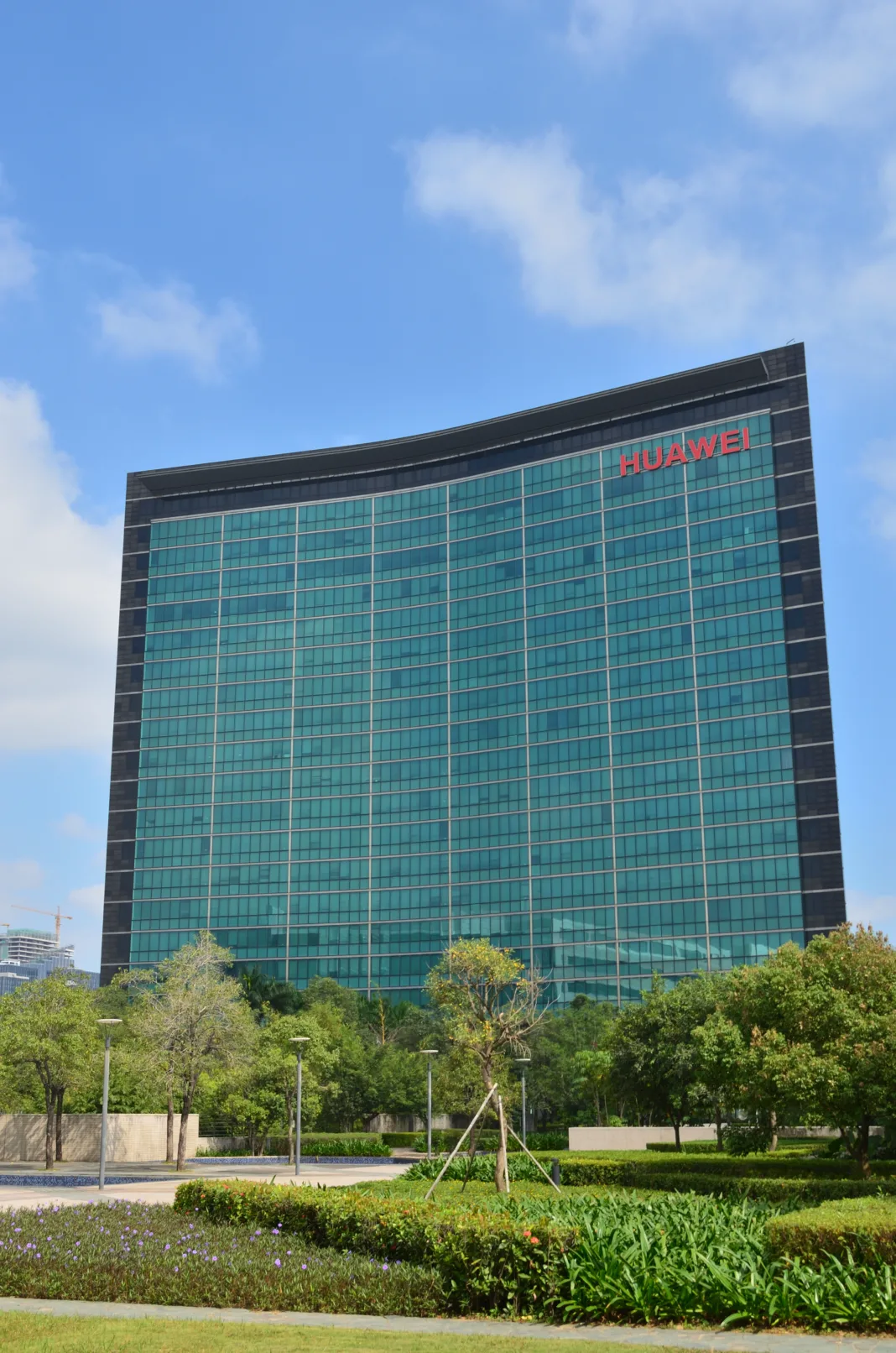



A federal jury in Brooklyn convicted Huawei on 10 of 12 criminal counts November 24, including offenses involving deception about its Iran business and conspiracy to steal trade secrets, Reuters reported. Jurors acquitted the Chinese telecommunications company of racketeering conspiracy, rejecting the charge that portrayed it as a criminal enterprise.
What happened
The verdict followed more than two months of trial, with prosecutors calling more than 60 witnesses and the defense calling 15, according to Reuters. The Associated Press reported that the second acquittal concerned conspiracy to obstruct justice and that Huawei’s attorney said the company would appeal.
The prosecution combined allegations about intellectual property and the company’s dealings with banks over operations in sanctioned countries. Its earlier charging documents show how those strands came together, although the jury did not accept every charge.
In its February 2020 announcement of a superseding indictment, the Justice Department alleged that Huawei and affiliated companies obtained confidential technology through breached confidentiality agreements, recruitment of competitors’ employees and intermediaries at research institutions. The material at issue included router source code, antenna technology and robot-testing technology.
Prosecutors also alleged that the company rewarded employees for obtaining competitors’ confidential information. The racketeering theory sought to connect alleged misconduct across the company’s business. Tuesday’s acquittal on that count leaves a different result from the broader enterprise case prosecutors originally presented.
The financial-fraud allegations centered on what banks were told about Huawei’s relationship with Skycom, a company operating in Iran. The Justice Department’s September 2021 account of chief financial officer Meng Wanzhou’s deferred prosecution agreement described Skycom as controlled by Huawei rather than an independent business partner.
According to that statement of facts, Huawei transferred Skycom between entities it controlled. Meng then described the relationship to a bank executive in 2013 as an ordinary business partnership. The agreed facts said those representations concealed information material to the bank’s decision to continue working with Huawei.
The 2021 agreement also described approximately $100 million in Skycom-related dollar transactions cleared through the United States between 2010 and 2014. At least some supported work in Iran in violation of U.S. law, according to the Justice Department. That amount describes historical transactions in the case, rather than a fine imposed by Tuesday’s verdict.
Meng’s agreement resolved her individual prosecution separately from the corporate trial. Reuters reported that the charges against her were dropped. The company’s convictions therefore do not represent a new conviction of its finance chief.
The investigation had a Texas connection: the Justice Department’s 2020 announcement credited FBI, Homeland Security Investigations and Commerce Department export-enforcement agents in Dallas with providing significant assistance. The criminal trial and Tuesday’s verdict took place in New York.
How outlets covered it
Reuters led with the Iran-related deception and trade-secret convictions. Its account connected the verdict to the banking evidence, the long prosecution and Huawei’s argument that banks already knew about its Iranian business.
Associated Press emphasized trade-secret conspiracy and bank fraud, while placing the racketeering acquittal prominently near the top. It also reported the defense attorney’s planned appeal.
The Bureau foregrounded the split verdict and published Huawei’s post-verdict statement. Its coverage examined the competing accounts of a coordinated corporate scheme and isolated incidents, alongside jurors’ questions about the obstruction charge.
All three accounts treated the convictions and acquittals as important parts of the outcome. Reuters devoted more attention to the banking history, while AP and The Bureau gave particular prominence to the defense’s interpretation of the rejected enterprise charge.
What’s disputed
Huawei disputed the convictions. In its statement to The Bureau, the company said the remaining charges lacked legal or factual merit and argued that the trade-secret disputes had previously been resolved as civil matters. It said it would review the verdicts and pursue legal action to defend its interests.
The defense’s objections do not change the guilty verdicts, just as those convictions do not erase the two acquittals. The next questions concern the company’s legal challenges and the penalties arising from the counts on which it was convicted.
How this article was produced
This article was generated using AI from the sources linked below. It does not include firsthand reporting or interviews. Our editors monitor published articles and correct errors promptly. Claims attributed to outside sources have not been independently verified by this publication.
Found an error? Email corrections@thecivicbearing.com.
Sources
- Reuters — China’s Huawei convicted in sprawling US criminal trial over Iran business (November 24, 2026)
- Associated Press — Chinese tech giant Huawei is guilty of conspiracy to steal trade secrets, US jury finds (November 24, 2026)
- The Bureau — Huawei Convicted on 10 Counts, Including Trade-Secret Conspiracy, but Acquitted of Racketeering (November 24, 2026)
- Justice Department — Huawei and Subsidiaries Charged in Racketeering Conspiracy and Conspiracy to Steal Trade Secrets (February 13, 2020)
- Justice Department — Huawei CFO Wanzhou Meng Admits to Misleading Global Financial Institution (September 24, 2021)