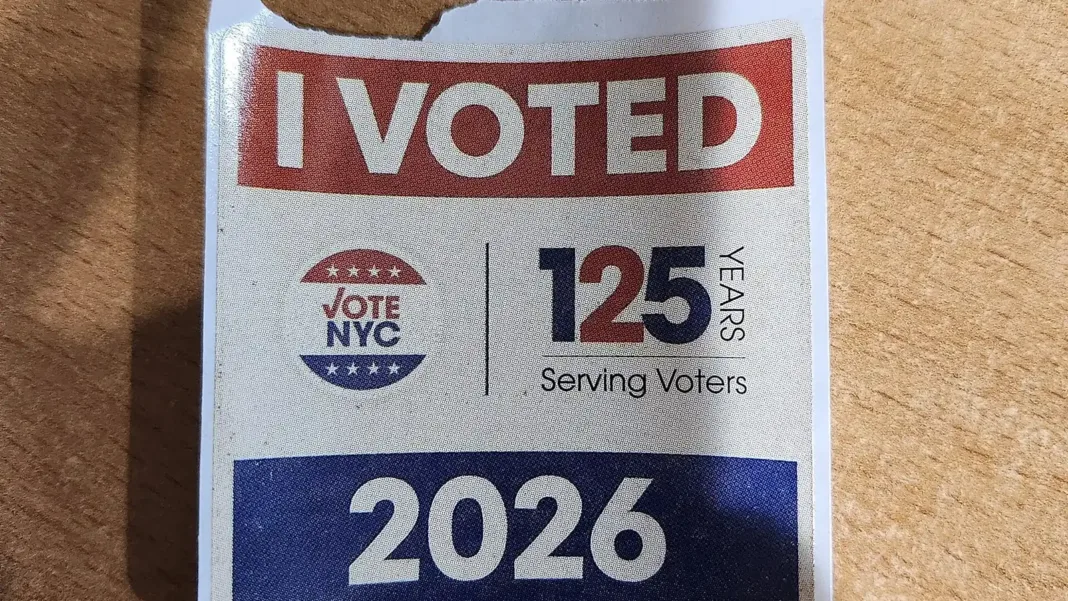


Voters decided more than 140 statewide ballot measures on Nov. 3, 2026, and the social-issue results did not follow party lines. In the same election that gave Democrats control of Congress, voters backed abortion rights in three of four states, repealed Virginia’s same-sex marriage ban and also approved restrictions on transgender athletes in four states, including Democratic-led Washington and Colorado.
What happened
Abortion: Nevada and Virginia added abortion rights to their constitutions, Missouri rejected a repeal of its 2024 abortion-rights amendment and Idaho kept its near-total ban, according to the Guttmacher Institute.
Marriage and equal rights: Virginia voters repealed the state’s constitutional ban on same-sex marriage with about 58%, and Vermont approved an equal protection amendment, NPR reported.
Transgender policy: Washington’s Initiative 638, Colorado’s Proposition 134, Arizona’s Proposition 318 and Nebraska’s Initiative 442 restrict transgender girls from girls’ sports, and Colorado’s Proposition 135 bars sex-change surgery on minors, Newsweek and the Washington Blade reported. Missouri’s combined abortion and gender-care measure failed.
Guns and DEI: Massachusetts voters kept the state’s 2024 gun law, and Arkansas strengthened its right-to-bear-arms amendment with about 70%, according to the State Court Report. Wisconsin approved a ban on diversity, equity and inclusion programs while Arizona rejected one, Human Rights Watch reported.
How outlets covered it
The Washington Examiner focused on why conservative transgender measures passed “amid the blue wave,” noting Colorado’s sports measure never used the word “transgender.” Politico called them “a major victory for the conservative movement.”
GLAAD emphasized the marriage and equal-rights wins while criticizing the anti-trans measures, and the Movement Advancement Project described the night as “major shifts towards inclusion.”
National Review called the abortion results “disappointing for pro-lifers,” and NPR gave a broad roundup of all of them.
Outlets across the spectrum agreed on the mixed picture. Each side highlighted its wins: conservative outlets the sports measures, progressive outlets and advocacy groups the abortion and marriage results.
What’s disputed
What the results mean is contested. Some analysts read them as voters separating issues from parties, favoring abortion access and same-sex marriage while drawing a line on transgender athletes. Abortion opponents argue spending gaps and a strong Democratic year drove their losses.
Several outcomes are headed to court or the legislature. Opponents have sued to block Washington’s I-638 before it takes effect Dec. 3, and Colorado’s incoming governor has said lawmakers may adjust Proposition 134, which as a statute they can amend without another vote, according to The Comeback. Supporters of the measures call those moves an attempt to override voters.
How this article was produced
This article was generated using AI from the sources linked below. It does not include firsthand reporting or interviews. Our editors monitor published articles and correct errors promptly. Claims attributed to outside sources have not been independently verified by this publication.
Found an error? Email corrections@thecivicbearing.com.
Sources
- NPR — Ballot measures on abortion, LGBTQ rights and guns (Nov. 4, 2026)
- Guttmacher Institute — Abortion Rights Win in Three out of Four States in 2026 (Nov. 4, 2026)
- State Court Report — What 2026 ballot measure results tell us (Nov. 2026)
- Human Rights Watch — Rights on the ballot alongside US congressional elections (Nov. 6, 2026)
- Newsweek — Four States Approve Transgender School Sports Restrictions (Nov. 2026)
- Washington Blade — Anti-trans ballot measures pass in four states (Nov. 10, 2026)
- Washington Examiner — Why conservative transgender ballot measures passed amid blue wave (Nov. 2026)
- Politico — Voters approve measures barring transgender athletes from women’s sports (Nov. 5, 2026)
- GLAAD — GLAAD responds to 2026 election results (Nov. 2026)
- Movement Advancement Project — Major shifts towards inclusion: ballot measure results in the 2026 midterms (Nov. 2026)
- National Review — Abortion on the Ballot in 2026 (Nov. 2026)
- The Comeback — Democrats push back after voters pass trans sports bans (Nov. 2026)