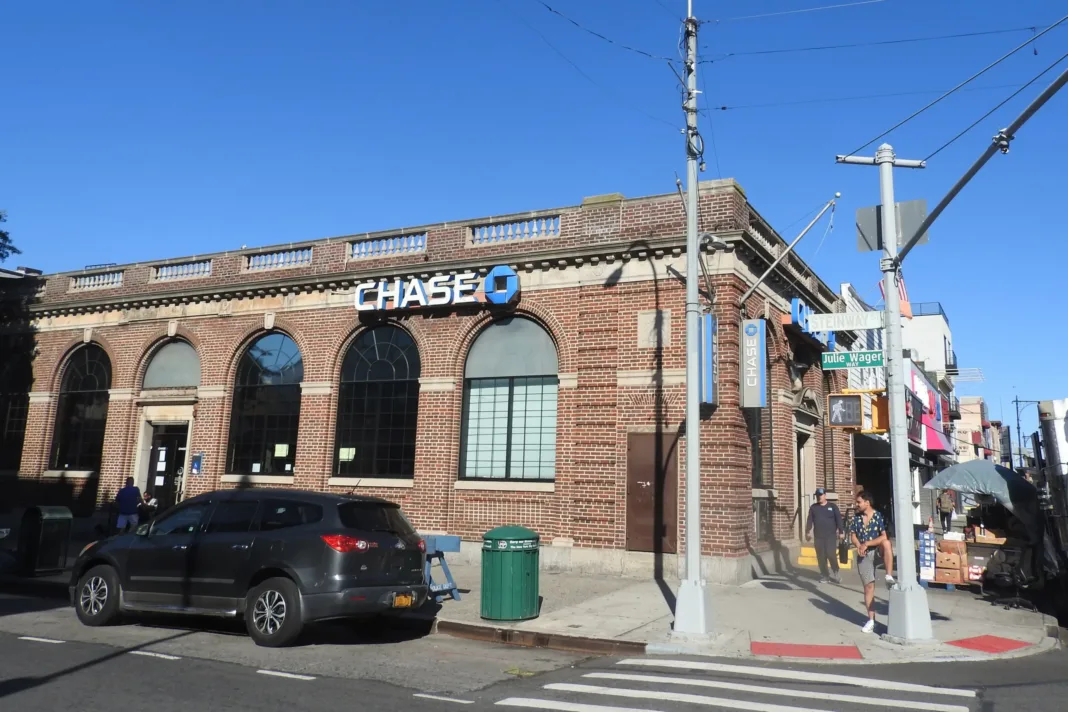



JPMorgan Chase said November 19 that attackers targeted outside service providers and may have accessed marketing records containing some customers’ names and email addresses. Visa and Mastercard also disclosed incidents involving providers, while the companies said their core banking or payment services were unaffected.
What happened
In its public statement, Chase said its investigation indicated that attackers accessed marketing information held by vendors. The bank said there was no disruption to its services and that it would contact affected customers where appropriate, offering support that could include free credit monitoring.
Chase explicitly separated the vendor cyberattack from the banking service disruption customers experienced earlier in the week. The bank attributed that earlier problem to a software bug. The two developments therefore involve different issues: the new disclosure concerns access to information at service providers, while the earlier incident delayed banking transactions.
The Civic Bearing previously reported on Chase’s banking glitch and reports of problems at other banks. Thursday’s disclosure adds a separate, confirmed vendor-security incident to the bank’s account of events.
NBC Chicago reported that Mastercard described exposure of a limited number of email addresses belonging to a small group of cardholders in a particular benefits program. Mastercard said the information was unrelated to payments, the exposure had been contained and its payment network and customers’ ability to use their cards were unaffected.
Reuters reported that Visa linked claims about its customer data to an incident at a service provider in the Asia-Pacific region. Visa said its own systems were not involved and that payment information, including card numbers, was not affected. The company’s account concerned the provider incident rather than a failure of Visa’s payment network.
The Associated Press reported that information tied to thousands of Chase customers had appeared online, including email addresses and, in some cases, telephone numbers. The bank’s own disclosure remained qualified by the findings of its continuing investigation.
For customers assessing unexpected messages, the Federal Trade Commission’s phishing guidance recommends contacting a company through a website or telephone number already known to be genuine. It advises against relying on contact details in an unexpected email or text asking for information. The agency warns that messages impersonating banks can claim an account problem or suspicious activity to persuade recipients to open a link or attachment.
The FTC also recommends updated security software and multifactor authentication. If someone has already supplied financial or identifying information to a suspected scammer, its guidance directs them to IdentityTheft.gov for steps matched to the information involved. These are the agency’s general precautions for suspicious messages.
How outlets covered it
NBC Chicago emphasized the warning to customers and Chase’s statement that services were unaffected. Its subheadline distinguished the breach from the earlier outage, and its report included the bank’s promised assistance and Mastercard’s explanation of the limited information exposed.
Washington Examiner framed its headline around customer names and email addresses possibly being accessed. Its opening focused on the cyberattack and marketing information held by third-party vendors, placing the potential exposure of personal information at the center of the story.
Reuters examined disclosures from all three financial companies and data posted by a hacking group. It described apparent contents of the files while explicitly stating that it had not independently authenticated the data. That approach distinguished the companies’ confirmed statements from the attackers’ claims.
NBC gave more prominence to continuity of service and customer support; the Examiner’s headline emphasized possible exposure. Reuters devoted more attention to the alleged datasets and the separate explanations offered by the financial companies.
What’s disputed
The full scope of the exposure remains unsettled. Reuters said it could not independently verify the authenticity of the posted files, and Chase described its findings as preliminary. Apparent entries in a leaked dataset therefore remain distinct from a company-confirmed total of affected customers.
The companies’ statements also describe different provider relationships and categories of information. They do not establish that every customer was affected or that payment credentials were exposed. Chase’s investigation, its direct customer notifications and further provider disclosures will determine more precisely whose information was involved and what assistance is appropriate.
How this article was produced
This article was generated using AI from the sources linked below. It does not include firsthand reporting or interviews. Our editors monitor published articles and correct errors promptly. Claims attributed to outside sources have not been independently verified by this publication.
Found an error? Email corrections@thecivicbearing.com.
Sources
- Chase — Statement on third-party vendor cyberattack (November 19, 2026)
- NBC Chicago — Chase Bank warns customer data may have been exposed after third-party cyberattack (November 19, 2026)
- Washington Examiner — JPMorgan says some customer names and email addresses possibly accessed after cyberattack (November 19, 2026)
- Reuters, via StreetInsider — JPMorgan, Visa, Mastercard say third-party vendors targeted in cyberattack (November 19, 2026)
- Associated Press — A cyberattack leaks thousands of Chase customer emails and some phone numbers (November 19, 2026)
- Federal Trade Commission — How To Recognize and Avoid Phishing Scams (September 2022)