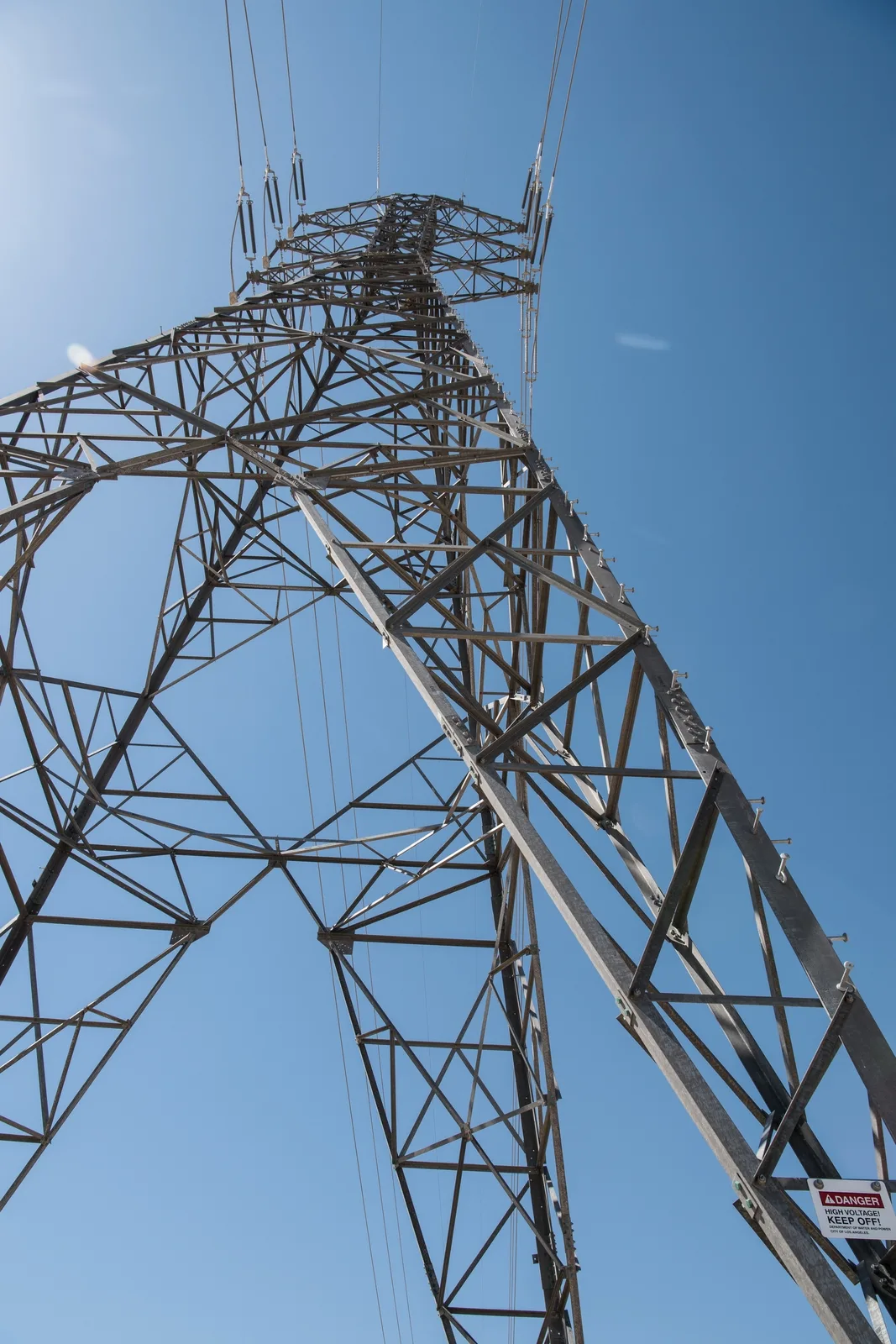


The Senate passed a bipartisan overhaul of energy and infrastructure permitting 62–33 on November 19, sending the package to the House. The bill seeks faster project approvals and protections against shifting permit decisions, while drawing opposition over environmental safeguards and limits on legal challenges.
What happened
The Bipartisan American Affordability and Jobs Act cleared the chamber after negotiations led by Republicans Shelley Moore Capito and Mike Lee and Democrats Sheldon Whitehouse and Martin Heinrich. Capito’s Senate committee announcement confirmed the final vote and urged the House to act promptly. This is a new stage after the earlier Senate procedural advance.
Reuters reported that 14 Democrats and one independent joined most Republicans in support. The legislation now goes to the Republican-controlled House; President Donald Trump has said he would sign it if it reaches his desk. Senate passage alone does not change the law.
The package would tighten environmental-review deadlines, accelerate transmission development and constrain agencies’ ability to revoke existing permits, according to NBC News.
Roll Call reported changes touching the National Environmental Policy Act, National Historic Preservation Act, Endangered Species Act, Federal Power Act and Clean Water Act. The package also would expand federal authority over interstate transmission and address the costs of supplying electricity to data centers.
NBC reported, citing the Bipartisan Policy Center, that new data centers of at least 20 megawatts would pay the full additional infrastructure costs required to serve them. That provision responds to concern about shifting expansion costs to other electricity customers, rather than simply promising faster approvals for large power users.
House action remains necessary. NBC reported that House leaders left room for changes, while Senate Majority Leader John Thune favored approval of the Senate version.
How outlets covered it
NBC News foregrounded the unusual liberal-conservative coalition around building more easily. It contrasted conservatives’ focus on bureaucracy with Democrats’ interest in clean energy and affordability. Its account also described objections from environmental and Native American tribal organizations, keeping the coalition and its tensions central.
Just the News led with bipartisan passage and the next stop in the House. It emphasized that more than a dozen Democratic and independent senators joined Republicans. It also described tighter limits on opponents’ lawsuits and highlighted Whitehouse’s claim that consumers could save $60–$80 monthly. That figure was presented as a supporter’s projection.
Reuters framed the vote as an effort to ease approval bottlenecks amid rising electricity demand. Its opening connected the legislation to power plants, transmission lines and data centers, identifying artificial intelligence as a driver of demand. It emphasized the multiyear negotiations and the need to act before a new Congress begins.
Roll Call focused on the legislative mechanics and the House challenge. It detailed the environmental laws affected and reported that additional amendments contemplated by the sponsors were not considered. That emphasis showed how the final package differed from the changes negotiators had hoped to add.
The central difference was emphasis: a cross-party building coalition, bipartisan political success, energy-demand pressures, or the mechanics of the final compromise. None of those frames removes the need for House approval.
What’s disputed
Supporters argue that shorter reviews and more predictable approvals will expand energy supply and reduce costs. Opponents argue that the package weakens environmental protections and legal remedies. Associated Press reported criticism of changes to environmental laws and limits on judicial review, alongside the sponsors’ case for faster construction.
The size and timing of consumer savings remain uncertain. Whitehouse’s monthly estimate, cited by Just the News, is an argument for the bill rather than an observed result. The package has not become law, and the House could still change its terms.
Opinion: The Civic Bearing’s Take
This section is opinion and reflects The Civic Bearing’s conservative perspective.
A permitting system should deliver timely, durable decisions. Predictable deadlines and protection against arbitrary reversals deserve support because a government approval should mean something. Requiring large new electricity users to account for the infrastructure they need also offers a sound principle: growth should come with responsibility for its costs.
The House should examine the final text carefully, particularly the balance between faster decisions, property interests and meaningful review. Supporters should defend the actual changes rather than promise immediate household savings they cannot yet demonstrate. A bipartisan vote is useful progress; the test is whether the eventual law produces clearer rules and sound projects.
How this article was produced
This article was generated using AI from the sources linked below. It does not include firsthand reporting or interviews. Our editors monitor published articles and correct errors promptly. Claims attributed to outside sources have not been independently verified by this publication.
Found an error? Email corrections@thecivicbearing.com.
Sources
- Senate Environment and Public Works Committee — Senate Passes Capito’s Bipartisan American Affordability and Jobs Act (November 19, 2026)
- NBC News — Senate passes bill simplifying permitting rules to build in America, sending it to House (November 19, 2026)
- Just the News — Senate passes key permitting reform bill, sends legislation to the House (November 19, 2026)
- Reuters — US Senate passes bipartisan bill to speed energy, infrastructure projects (November 19, 2026)
- Roll Call — Sweeping permitting overhaul passes Senate, on to House (November 19, 2026)
- Associated Press — Senate approves bill to speed up permitting reviews, force data centers to pay for energy costs (November 20, 2026)