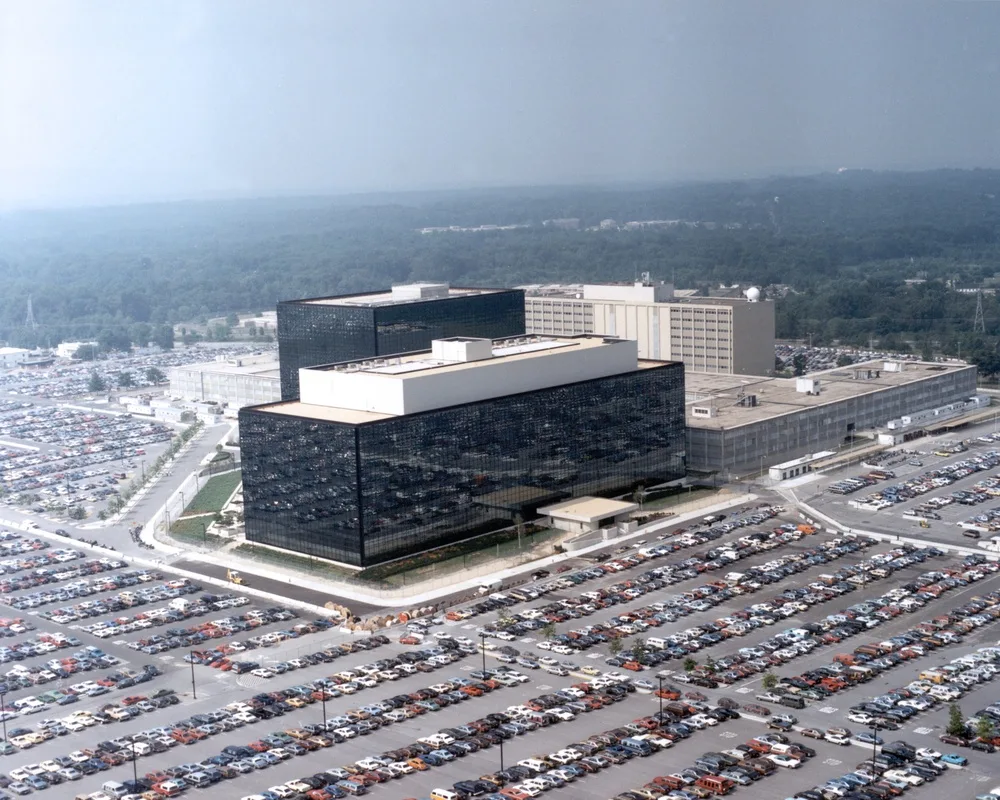


The National Security Agency returned to normal operating conditions on November 20 after a disruption to its classified internal communications network lasted much of the week. An agency spokesperson confirmed the recovery to The Record, following reports that employees were returning on staggered schedules to prevent a rush of simultaneous logins.
What happened
CNN reported that NSANet’s outage had been resolved after almost four days, citing a person familiar with the situation and a workforce telephone recording. The morning recording still included exceptions to normal operations and instructions to follow designated building-opening times.
The recovery is a significant development since The Civic Bearing’s earlier account of the disruption. At that point, the agency had acknowledged affected systems but had not publicly said when full service would return.
CNN’s sources said repairs took longer than expected. Some employees had previously been told to arrive at staggered times, only to go home without gaining access. Officials described the duration as unusually disruptive, even though the network had experienced outages before.
The affected network supports internal exchanges of classified information. Officials told CNN the agency’s most sensitive intelligence-collection systems continued functioning, and backup arrangements were available. That distinction separates the communications interruption from a shutdown of all NSA intelligence operations.
In its November 17 public statement, the NSA attributed the problem to scheduled maintenance. It said essential national-security capabilities remained operational and described redundant infrastructure intended to sustain work through maintenance and unexpected interruptions. The agency did not identify the affected network or provide a detailed repair timetable in that statement.
The Record reported that disruptions also affected the Georgia facility. Two people familiar with the situation told the outlet that its Middle East intelligence operations were not harmed and that the NSA continued supporting President Donald Trump’s Asia trip. Its later update included the agency spokesperson’s confirmation that normal conditions had resumed.
Officials linked the interruption to maintenance involving PHP software, rather than an attack. Separately, the NSA had issued an October 21 advisory urging organizations to address PHP vulnerabilities known as PHP2Shell. The advisory described potential unauthorized control of vulnerable web servers and the risk of data theft or further network intrusion.
That advisory recommended identifying exposed PHP-dependent services, applying vendor patches and increasing logging. It also urged replacing obsolete services incompatible with fixes and, where immediate remediation was impossible, considering taking the affected system offline. The warning explains the security concern behind patching; it does not say those vulnerabilities were exploited in the NSA outage.
How outlets covered it
CNN focused on the return-to-work process and the difficulty of restoring access. Its account drew on the employee recording and officials familiar with the response, emphasizing staggered arrivals, repeated failed logins and the unusually long interruption.
The Record emphasized the agency’s eventual confirmation of normal conditions and the maintenance connection. It also examined operational continuity at the Georgia facility and support for the presidential trip, distinguishing workplace disruption from effects on intelligence missions.
The Daily Wire led with the workforce voicemail and the network’s return. It placed the interruption alongside other recent technology failures and officials’ public assurances against a coordinated attack. The outlet also recounted the NSA’s earlier explanation that backup systems had preserved critical operations.
The accounts shared a central finding: internal communications were disrupted while critical functions continued. CNN supplied more detail about the recovery process; The Record added the agency’s later confirmation and operational context.
What’s disputed
The public accounts do not establish a malicious intrusion. The Associated Press reported on November 17 that senior administration officials saw no evidence connecting the recent outages to hostile activity or to one another. That assessment was also reflected in the later reporting.
The precise technical sequence remains unannounced in the agency’s public outage statement. Its PHP advisory describes a general security threat, while the recovery reports attribute this interruption to maintenance and patches. Neither document establishes that an attacker caused the network failure.
How this article was produced
This article was generated using AI from the sources linked below. It does not include firsthand reporting or interviews. Our editors monitor published articles and correct errors promptly. Claims attributed to outside sources have not been independently verified by this publication.
Found an error? Email corrections@thecivicbearing.com.
Sources
- CNN, via KQ2 — Classified network recovery (November 20, 2026)
- The Record — NSA resumes normal operations (November 20, 2026)
- The Daily Wire — Workforce voicemail and recovery (November 20, 2026)
- NSA — Network issues statement (November 17, 2026)
- NSA — PHP patching advisory (October 21, 2026)
- Associated Press — Initial outage and officials’ assessments (November 17, 2026)