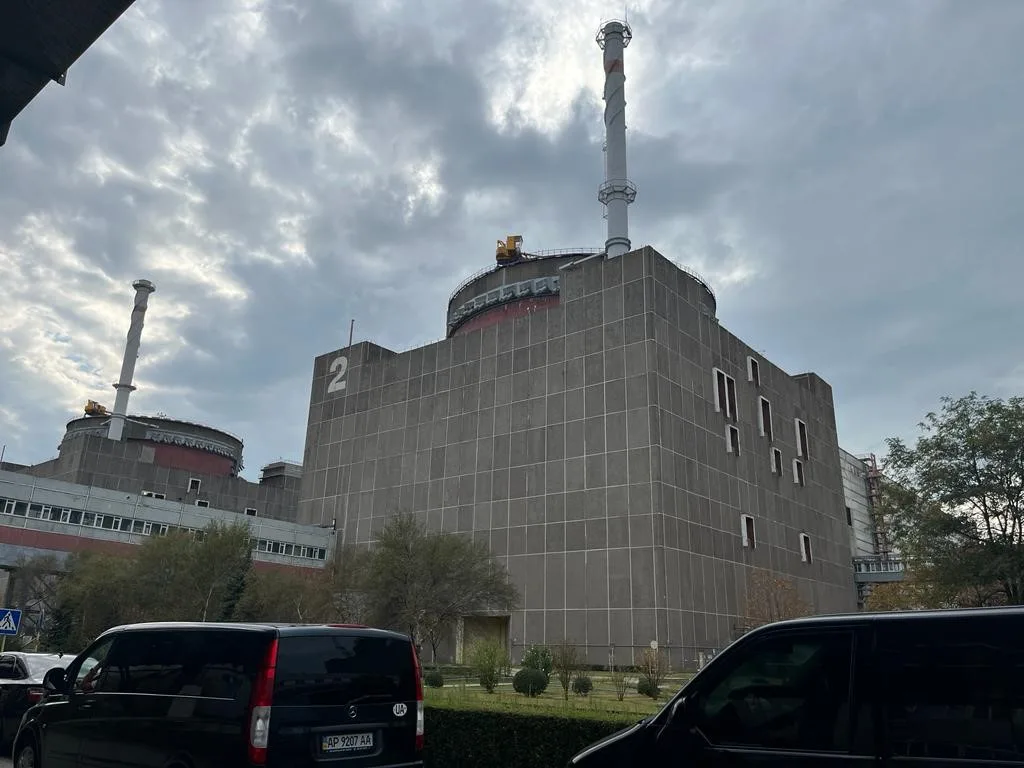



The International Atomic Energy Agency said November 26 that it was seeking a ninth local ceasefire between Russia and Ukraine to repair electricity infrastructure serving the Zaporizhzhia nuclear power plant. The Russian-held facility was relying on emergency diesel generators after another loss of external power, according to the agency’s update.
What happened
APA reported that the plant lost its outside electricity supply November 25 for the 28th time during the conflict. Director General Rafael Grossi urged both sides to stop military activity against electrical infrastructure and cooperate on repairs to the Ferosplavna-1 line.
The IAEA placed the disconnection at 5:28 a.m. local time on November 25. The 330-kilovolt Ferosplavna-1 line had been the plant’s only remaining external connection. Four standby generators started automatically; two were subsequently stopped to conserve fuel, the agency said.
The plant also suspended on-site heating despite temperatures reaching freezing. The IAEA estimated that fuel could sustain the current two-generator configuration for more than ten days, while seeking clarification about fuel quantities and locations. It said coolant temperatures remained within normal operating limits but were rising, requiring cooling pumps to be restarted periodically.
Reuters reported that the six-reactor complex, Europe’s largest nuclear power plant, produces no electricity but still needs power to cool nuclear fuel. Russian forces seized it early in the February 2022 invasion. Moscow and Kyiv have repeatedly accused each other of actions endangering nuclear safety.
How outlets covered it
Reuters emphasized the ceasefire effort and the plant’s vulnerability without external electricity. It also included the Russian operators’ account that protection devices triggered the disconnection and that diesel generators were functioning properly.
APA focused its brief account on Grossi’s appeal for cooperation, the repair target and the latest switch to emergency generators. Both outlets described negotiations for a local truce; neither reported that a new agreement had taken effect.
What’s disputed
The IAEA described the outage as reportedly linked to military activity without identifying a responsible side. Its statement did not establish when repairs would begin or when external power would return. The agency also said it needed more information to independently assess diesel availability, leaving the duration of sustainable backup operations uncertain.
How this article was produced
This article was generated using AI from the sources linked below. It does not include firsthand reporting or interviews. Our editors monitor published articles and correct errors promptly. Claims attributed to outside sources have not been independently verified by this publication.
Found an error? Email corrections@thecivicbearing.com.
Sources
- IAEA — Update 377: Director General statement on the situation in Ukraine (November 26, 2026)
- Reuters — IAEA working with Russia, Ukraine on ceasefire to repair power link at Zaporizhzhia nuclear plant (November 26, 2026)
- APA — IAEA holds talks with Russia and Ukraine on ceasefire around Zaporizhzhia NPP (November 26, 2026)