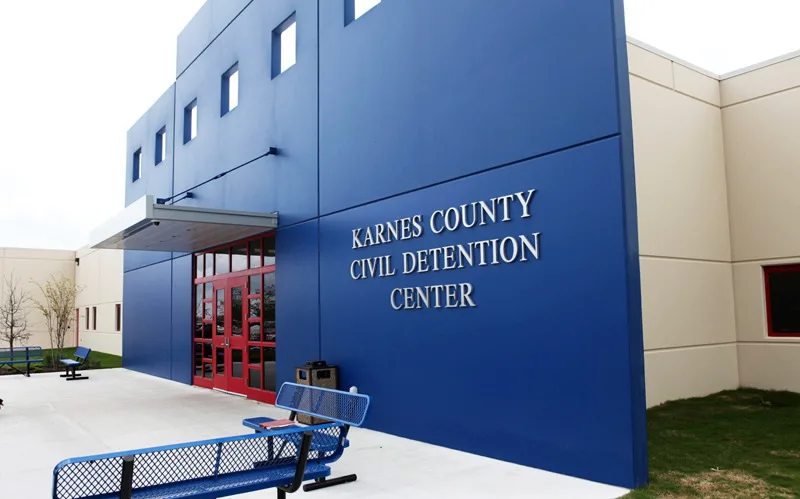



Federal auditors have urged Immigration and Customs Enforcement to update its detention spending plans and calculate long-term costs before making more facility investments. The November 19 Government Accountability Office report found gaps in planning after ICE bought 11 warehouses for about $1.07 billion, then decided to sell seven.
What happened
ICE received $45 billion for detention in July 2025, with the funding available through fiscal 2029. It subsequently bought four existing detention facilities for about $2.2 billion in July and August 2026. GAO said the agency had not determined the scope, timing or estimated cost of further acquisitions.
Auditors also found the spending plan had not been revised to reflect changed warehouse plans. They recommended timely updates and life-cycle estimates that evaluate alternatives before significant new investments. The Department of Homeland Security agreed with both recommendations; GAO lists them as open pending confirmation of implementation.
ABC News reported that nine warehouse purchases cost at least 50% more than their local assessed taxable value. One property in Social Circle, Georgia, cost the government about $128.6 million after a previous buyer paid roughly $29.4 million in 2023. Auditors warned that selling properties could generate losses.
The report also has a Texas connection. ABC highlighted more than $1 billion obligated to Camp East Montana at Fort Bliss, representing 36% of detention-facility obligations in the first three quarters of fiscal 2026. Those are obligations, rather than a count of completed payments or the purchase price of a warehouse.
At Guantanamo Bay, ICE and the Defense Department obligated roughly $111 million for two facilities with an average daily population below 30, ABC reported. DHS did not immediately answer the outlet’s request for comment when its story was published.
Stateline reported that the warehouse rollback does not mean every conversion has stopped. ICE told New Jersey on November 5 that it still intended to convert a Roxbury property following environmental review. An Arizona proposal remained open for public comment until December 9. Plans to sell other warehouses extended across several states.
Sen. Dick Durbin, the Senate Judiciary Committee’s ranking Democrat, released a statement condemning the spending and calling for accountability. His office highlighted guaranteed payments for thousands of unused beds and a shortage of personnel who review facility invoices. It also said ICE officials described maintaining access to facilities amid state-government opposition as an acquisition goal, rather than expected savings.
How outlets covered it
ABC News emphasized the scale of purchases and examples of potentially poor value. Its account connected warehouse prices with the costs of military-base detention, giving particular attention to Fort Bliss and Guantanamo Bay. It also noted DHS’s agreement with the proposed corrective steps.
Stateline focused on what the federal findings mean for states facing detention expansion. It followed the shift away from some warehouse conversions while noting that other projects and private-prison purchases continued. Its headline centered on the need for a new detention plan.
Both outlets emphasized incomplete planning and the risk of wasted money. ABC supplied more detail on individual spending examples, while Stateline traced the changing mix of projects across states. Neither described the entire detention expansion as canceled.
What’s disputed
A taxable assessment and a negotiated market price measure different things. The reported gap supports scrutiny of purchases, but it does not by itself establish the eventual resale loss on any property. GAO identified potential overpayment and a risk of losses; the final proceeds from planned sales remain uncertain.
DHS’s agreement with the recommendations does not establish that the changes are complete. The next concrete test is whether ICE revises its plan and evaluates future investments over their full operating lives. Durbin’s characterization of the administration’s motives is a political judgment, separate from the auditors’ documented planning findings.
Opinion: The Civic Bearing’s Take
This section is opinion and reflects The Civic Bearing’s conservative perspective.
Immigration enforcement should come with the same spending discipline conservatives demand elsewhere in government. A large appropriation is a reason to insist on careful purchasing, credible forecasts and clear accountability for the officials committing the money.
Before another major acquisition, taxpayers deserve to know why ownership serves the mission better than available alternatives. DHS’s acceptance of the recommendations is welcome; implementing them is what will matter.
How this article was produced
This article was generated using AI from the sources linked below. It does not include firsthand reporting or interviews. Our editors monitor published articles and correct errors promptly. Claims attributed to outside sources have not been independently verified by this publication.
Found an error? Email corrections@thecivicbearing.com.
Sources
- GAO — Detention investment planning report (November 19, 2026)
- ABC News — Auditors scrutinize ICE spending (November 19, 2026)
- Stateline — Detention plans across states (November 19, 2026)
- Senate Judiciary Committee Democrats — Durbin’s response (November 19, 2026)