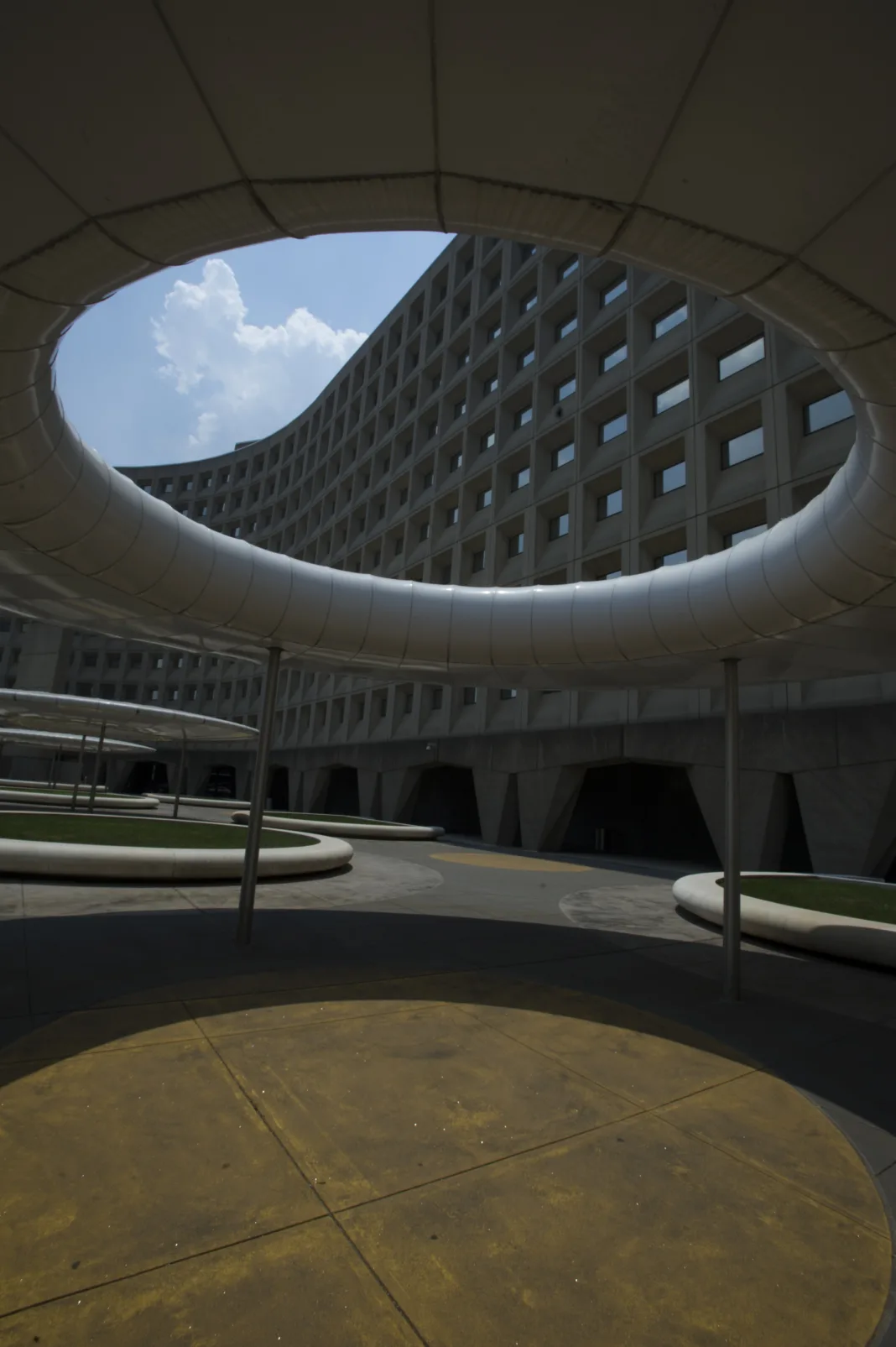


A coalition of states sued the U.S. Department of Housing and Urban Development on November 23 to stop a rule that would end long-term housing assistance for families containing an ineligible household member. The Massachusetts federal lawsuit challenges a policy scheduled to take effect December 14, putting eligibility for public housing and rental subsidies at the center of a new immigration dispute.
What happened
HUD published its final rule on November 12. It requires verification of U.S. citizenship or eligible immigration status for every applicant and recipient in covered programs, regardless of age. It also makes prorated assistance temporary while household members’ eligibility is being verified, where the statute permits, rather than allowing that arrangement to continue indefinitely.
Under the existing system described in the rule, a family can receive reduced assistance based on its eligible members while an ineligible relative lives in the same home. A household member can decline to claim eligible status and receive no share of the subsidy. HUD’s new regulation removes that option.
The covered programs include public housing, Section 8 rental assistance and certain other federally assisted housing. The regulation changes conditions for receiving that assistance; it is not a change to eligibility for every housing program or every private rental.
HUD says the changes better implement Section 214 of the Housing and Community Development Act of 1980, which restricts assistance to citizens and specified eligible noncitizens. The agency argues its verification requirements align the regulations with the law’s wording and purpose.
The states’ complaint takes the opposite view of Congress’s instructions. It argues lawmakers expressly protected prorated assistance and barred termination simply because an ineligible person lives with eligible relatives. The states ask the court to declare the rule unlawful, set it aside and block implementation. Those are requested remedies, rather than a court judgment.
The final rule also changes paperwork requirements for citizens. HUD describes an initial automated check through the federal SAVE verification system, with additional documents used for secondary verification. Its examples of acceptable citizenship records include birth certificates, naturalization certificates and valid, unexpired U.S. passports. The agency says many housing providers already collect identity documents for other eligibility checks.
December 14 is the rule’s effective date, not a universal eviction deadline. The regulation provides for notices, verification procedures and challenges to adverse decisions. In its final version, HUD also allows housing authorities or owners to grant additional time to obtain evidence, with extensions totaling up to 60 days in qualifying cases.
How outlets covered it
Associated Press led with the risk of losing housing aid and the states’ argument that families could be separated. It also included HUD Secretary Scott Turner’s defense: eligible households on waiting lists should receive the assistance instead. Its emphasis was the competing consequences for families.
LAist emphasized California families and the legal challenge, explaining the existing prorated-aid system before detailing the states’ claims about HUD’s authority. It also covered separate challenges involving Los Angeles residents and local governments, giving the dispute a regional focus.
National Apartment Association, a rental-housing industry association, focused on implementation and litigation. Its report described the separate residents’ lawsuit filed November 16 and the states’ November 23 case. It also highlighted housing providers’ compliance responsibilities and the association’s concerns about putting private owners and staff in an immigration-enforcement role.
AP centered the competing arguments about who should receive aid, while LAist emphasized affected families and local challenges. The apartment association concentrated on the practical obligations facing housing providers.
What’s disputed
The central legal disagreement is whether HUD can replace continuing prorated aid with its new household-wide eligibility requirements. The states allege the agency exceeded its authority and failed to justify the policy’s costs and consequences under the Administrative Procedure Act. HUD’s published rule maintains that it acted within its delegated authority and considered public comments.
The sides also differ over administrative burdens. HUD expects many existing records and verification procedures to satisfy the requirements. The states argue eligible tenants and housing providers would face disruption and additional costs. Whether the court blocks implementation before December 14 remains the immediate issue.
How this article was produced
This article was generated using AI from the sources linked below. It does not include firsthand reporting or interviews. Our editors monitor published articles and correct errors promptly. Claims attributed to outside sources have not been independently verified by this publication.
Found an error? Email corrections@thecivicbearing.com.
Sources
- HUD / Federal Register — Housing and Community Development Act of 1980: Verification of Eligible Status (November 12, 2026)
- U.S. District Court for Massachusetts — California v. HUD, complaint (November 23, 2026)
- Associated Press — States sue HUD over a rule that could cut off housing aid for mixed-status families (November 23, 2026)
- LAist — California and other states sue to block Trump housing rule that could split up immigrant families (November 23, 2026)
- National Apartment Association — Residents, Attorneys General Sue to Block New Citizenship and Immigration Status Verification Rule (November 23, 2026)