


The United States and Qatar signed a critical-minerals cooperation framework on November 23 and reaffirmed support for safe passage through the Strait of Hormuz. The Washington talks also covered missile defenses, energy investment and advanced technology, linking supply-chain policy with regional security.
What happened
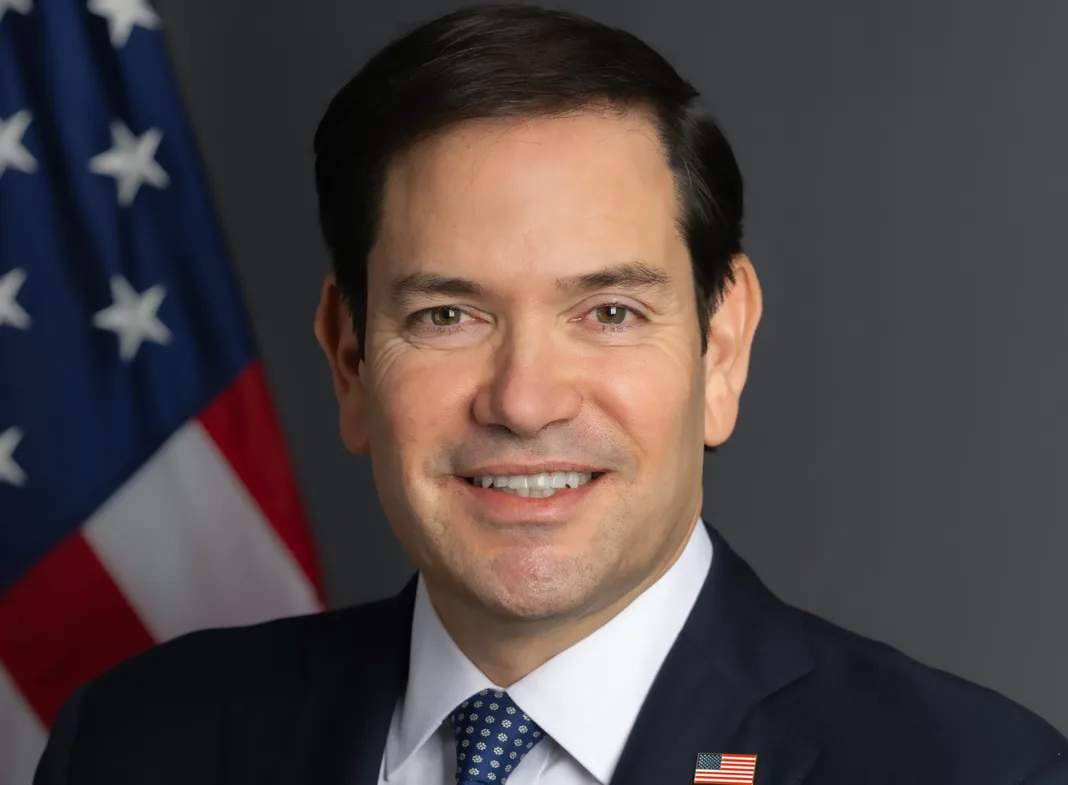
Secretary of State Marco Rubio and Qatari Prime Minister and Foreign Minister Sheikh Mohammed bin Abdulrahman Al Thani convened the eighth U.S.–Qatar Strategic Dialogue in Washington, according to their joint statement. Senior officials from both governments participated, and further discussions on defense, security, law enforcement and cultural ties are planned for early 2027.
The new Critical Minerals Framework is intended to align the countries’ strategies for diversifying mineral supplies and strengthening supply chains. The statement announced the signing but did not identify individual mines, purchasing commitments or a funding amount for the framework.
The governments also welcomed Qatar’s signing of the Pax Silica Declaration. They described cooperation in high-performance computing, trusted digital infrastructure, cybersecurity and other advanced technologies, alongside energy and critical minerals. The statement connected those priorities with broader efforts to expand commercial opportunities and investment between the countries.
On maritime security, both countries said safe, unimpeded navigation through the Strait of Hormuz is essential for regional security, dependable energy supplies and the global economy. Rubio reaffirmed the U.S. commitment to Qatar’s security and the importance of their defense partnership.
The defense discussions included stronger integrated air and missile defenses for Qatar, protection of critical infrastructure and possible investments in munitions and military platforms. Officials also discussed missile defense and counter-drone capabilities, joint exercises, intelligence sharing and industrial cooperation.
Several large figures in the statement referred to earlier commitments. The governments described building on more than $240 billion in economic deals announced during President Donald Trump’s May 2025 visit to Qatar. They also reviewed progress under an existing $38 billion defense-cooperation statement of intent. Neither figure was presented as a newly signed November 23 contract.
Energy cooperation included a Texas connection: the governments specifically highlighted Golden Pass LNG. The company identifies the project as a partnership of QatarEnergy and ExxonMobil affiliates in Sabine Pass, Texas, about 10 miles south of Port Arthur. The diplomatic statement did not announce a new Golden Pass expansion or spending commitment.
Regional discussions extended beyond Iran to Gaza, Syria, Lebanon, Afghanistan and several African and Latin American countries. The governments also outlined cooperation against terrorist financing, money laundering and transnational organized crime. Those subjects formed part of the wider bilateral dialogue rather than a separate announced settlement of the Iran conflict.
How outlets covered it
Associated Press framed the meetings around uncertainty over Trump’s Iran policy. It reported a separate White House meeting between Vice President JD Vance and Qatar’s prime minister, citing an unnamed person who supplied no details.
Iran International led with Rubio’s emphasis on the security and economic partnership, placing the meeting alongside Qatar’s efforts to revive U.S.–Iran negotiations. Its brief account highlighted Rubio’s public message about cooperation and regional stability.
Both accounts connected the visit to Iran diplomacy. AP emphasized uncertainty; Iran International foregrounded the partnership.
What’s disputed
The joint statement did not announce a new U.S.–Iran agreement or set out terms for ending that conflict. Its commitments on navigation and bilateral cooperation therefore leave the outcome of Iran diplomacy unresolved. It also did not give an implementation timetable or project list for the newly signed minerals framework.
Opinion: The Civic Bearing’s Take
This section is opinion and reflects The Civic Bearing’s conservative perspective.
Diversifying mineral supplies while supporting reliable energy trade is a sensible direction for U.S. policy. Cooperation should be judged by practical results: additional supply options, stronger infrastructure defenses and commercial arrangements that serve American interests.
The next test is execution. Washington should explain the framework’s concrete commitments as they emerge and distinguish completed investments from statements of intent. Protecting navigation and pursuing diplomacy can reinforce one another, but a partnership announcement alone cannot substitute for measurable security and economic gains.
How this article was produced
This article was generated using AI from the sources linked below. It does not include firsthand reporting or interviews. Our editors monitor published articles and correct errors promptly. Claims attributed to outside sources have not been independently verified by this publication.
Found an error? Email corrections@thecivicbearing.com.
Sources
- U.S. Department of State — Joint Statement on the Eighth United States–Qatar Strategic Dialogue: An Enduring Strategic Partnership (November 23, 2026)
- Associated Press — Vance and Rubio meet with Qatari PM as uncertainty mounts over Trump’s intentions with Iran (November 23, 2026)
- Iran International — Rubio highlights US-Qatar security ties as Qatar mediates between US and Iran (November 23, 2026)
- Golden Pass LNG — Operations (undated; accessed November 24, 2026)