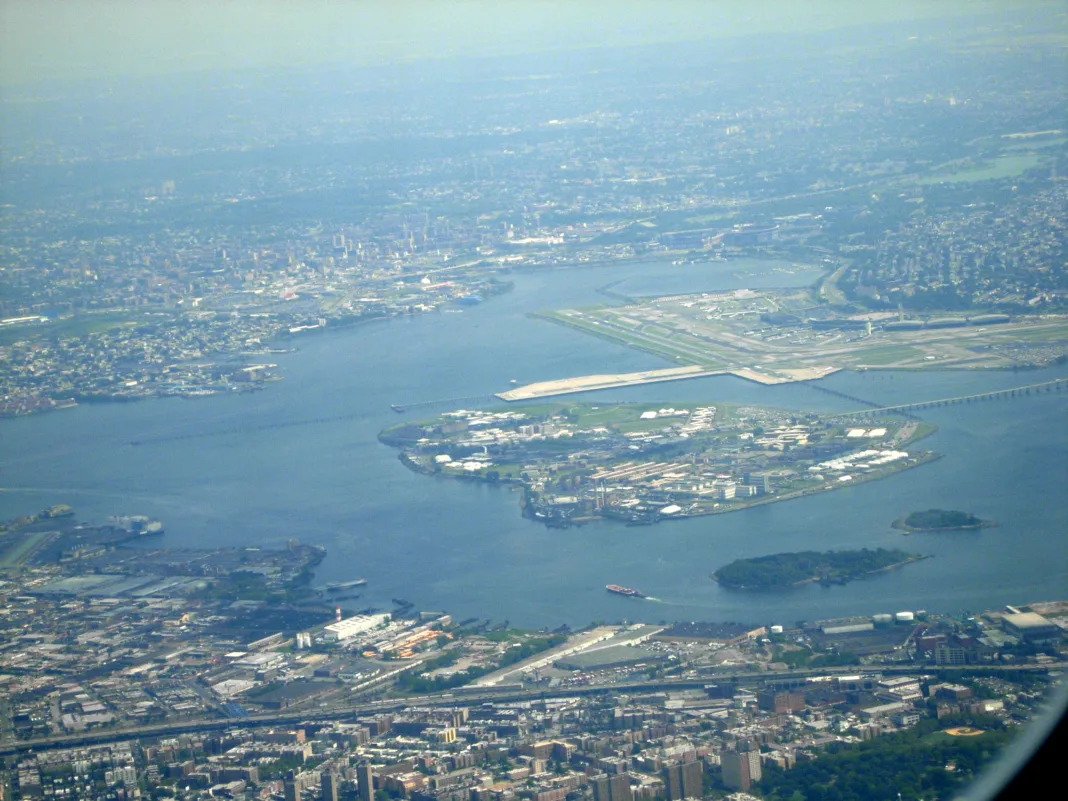



New York City Mayor Zohran Mamdani proposed closing the Rikers Island jail complex by the end of 2032 on November 20, replacing it with four borough-based jails and expanded hospital care. His strategic plan seeks five more years than the existing legal deadline and depends on reducing the jail population while replacement facilities are built.
What happened
The city’s schedule calls for Brooklyn’s new jail to open in 2029, followed by the Bronx and Queens in 2031 and Manhattan in 2032. The plan targets a jail population of no more than 5,500 when Brooklyn opens and no more than 4,100 by the end of 2032, compared with approximately 6,600 now.
Mamdani’s announcement proposes $146 million in new spending next fiscal year for mental health care, substance-use treatment, education, job training, community support and victim services. It also calls for 236 additional hospital-based therapeutic beds in Brooklyn and the Bronx, bringing the citywide total to 340.
The replacement jails would be closer to courts, public transportation and detainees’ communities. City officials say that would improve access to lawyers and family visits. The facilities would have individual cells, smaller housing units and dedicated programming areas, according to the mayor’s announcement.
Reducing detention is a separate part of the proposal. The Mayor’s Office of Criminal Justice describes $30 million in immediate fiscal 2027 investments and $260 million planned through fiscal 2030 for diversion, release support, shorter case delays and measures intended to reduce repeat arrests.
The agency says diversion at arraignment would focus on people considered able to participate reliably in their cases and avoid rearrest with support or supervision. It also proposes identifying people who could safely leave custody after their initial detention, rather than relying solely on changes at the point of arrest.
The strategy includes restoring online bail payments, expanding pretrial advocacy and improving coordination among courts, prosecutors and defense lawyers. It promises quarterly progress updates. Those measures accompany construction of the new jails, rather than waiting for the buildings to open.
How outlets covered it
CNN, in Gloria Pazmino’s written report, led with the five-year delay and the investments needed to carry out the move. It devoted substantial space to jail conditions, mental health care and prolonged pretrial detention. The report also traced the significance of Kalief Browder’s case and described potential opposition from local communities and the correction officers’ union. Its emphasis was the distance between the longstanding closure promise and the new timetable.
Just the News took a shorter, announcement-focused approach in Ben Whedon’s report. It highlighted the four replacement jails, easier family access through public transportation and therapeutic beds for people with mental health needs. Its headline presented the closure plan directly; the brief did not discuss the existing 2027 deadline or the proposed 2032 replacement date.
Reuters put the 2032 deadline in its headline and described the population reductions needed before the city can leave the island. It also explained the role of the court-appointed remediation manager and reported Mamdani’s statement that the plan was developed in consultation with that manager. The account connected the construction schedule to faster case processing and alternatives to incarceration.
The Associated Press framed the plan around its dependence on fewer people being jailed. Its opening stressed the impending failure to meet the existing deadline. The report also described the outside manager appointed after a federal judge found unacceptable conditions, placing the proposal against the jail system’s history of violence and overcrowding.
CNN emphasized the delayed promise and human consequences, while Reuters and AP foregrounded implementation and population reduction. Just the News concentrated on the announced replacements and treatment beds, without the deadline comparison.
What’s disputed
The 2032 date is a proposed legal deadline. The mayor’s announcement says the City Council will introduce legislation to revise the timeline. Until that process is completed, the announcement itself does not replace the existing closure requirement.
The central question is whether the city can deliver the new facilities and lower the jail population on the same schedule. Reuters reports that the mayor intends to combine housing and job opportunities, alternatives to incarceration and faster court processing to reach the population targets. Those are commitments and projections, not completed results.
The city’s strategy also calls for operational reform so problems at Rikers are not transferred into the replacement jails.
How this article was produced
This article was generated using AI from the sources linked below. It does not include firsthand reporting or interviews. Our editors monitor published articles and correct errors promptly. Claims attributed to outside sources have not been independently verified by this publication.
Found an error? Email corrections@thecivicbearing.com.
Sources
- NYC Mayor’s Office — Mayor Mamdani Releases City’s First Comprehensive Plan to Close Rikers Island (November 20, 2026)
- City of New York — Close Rikers Strategic Plan (released November 20, 2026)
- NYC Mayor’s Office of Criminal Justice — Mamdani Administration Releases New Strategic Plan to Close Rikers Island and Transform Pretrial Justice (November 20, 2026)
- CNN, via KVIA — NYC ‘will close Rikers Island once and for all’: Mamdani aims to shutter controversial jail in 2032 (November 20, 2026)
- Just the News — Mamdani announces plan to close Rikers Island (November 20, 2026)
- Reuters, via Investing.com — Mayor Mamdani announces plan to close New York’s Rikers Island jail by 2032 (November 20, 2026)
- Associated Press — Mamdani sets plan to close NYC’s notorious Rikers Island jail (November 20, 2026)