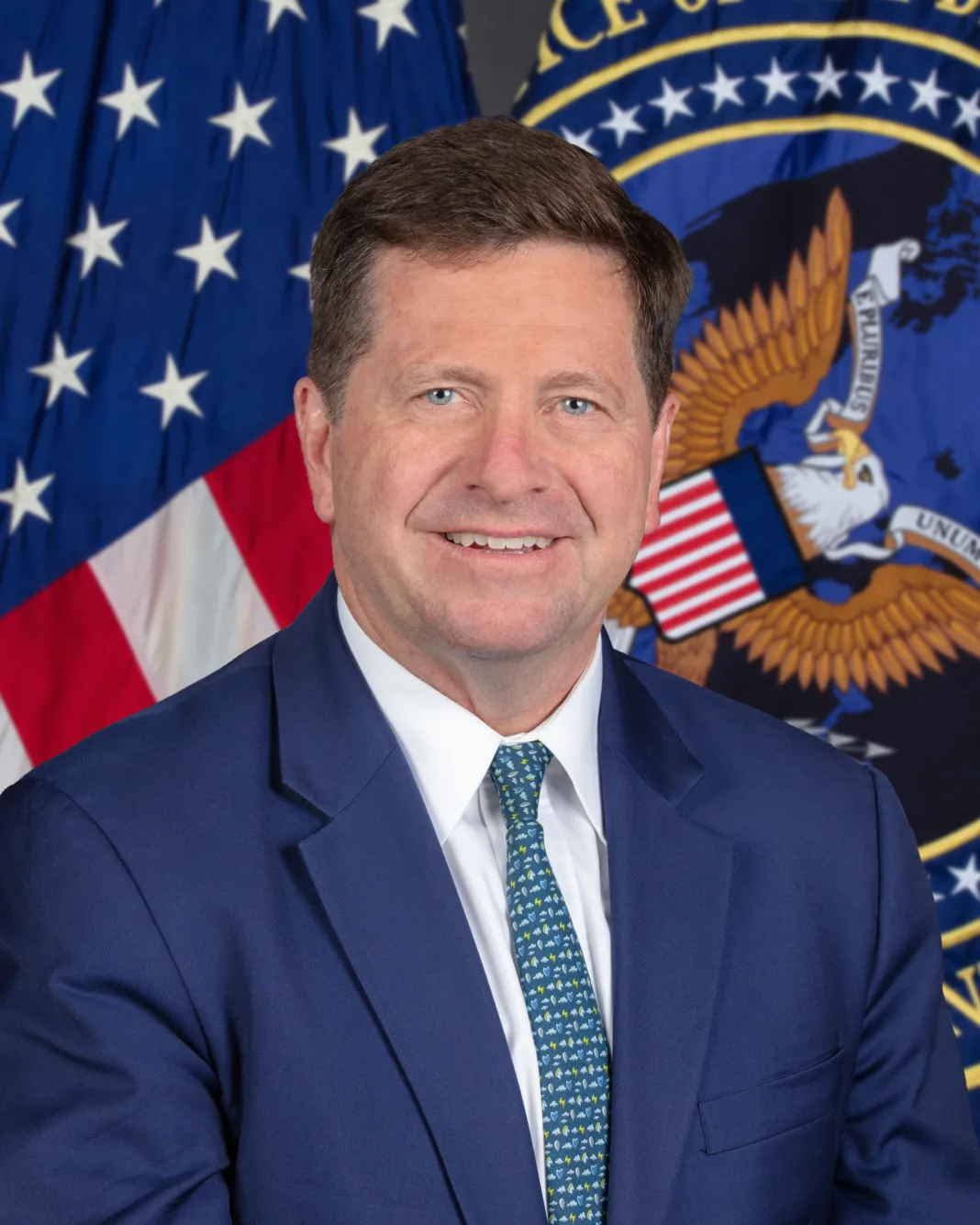


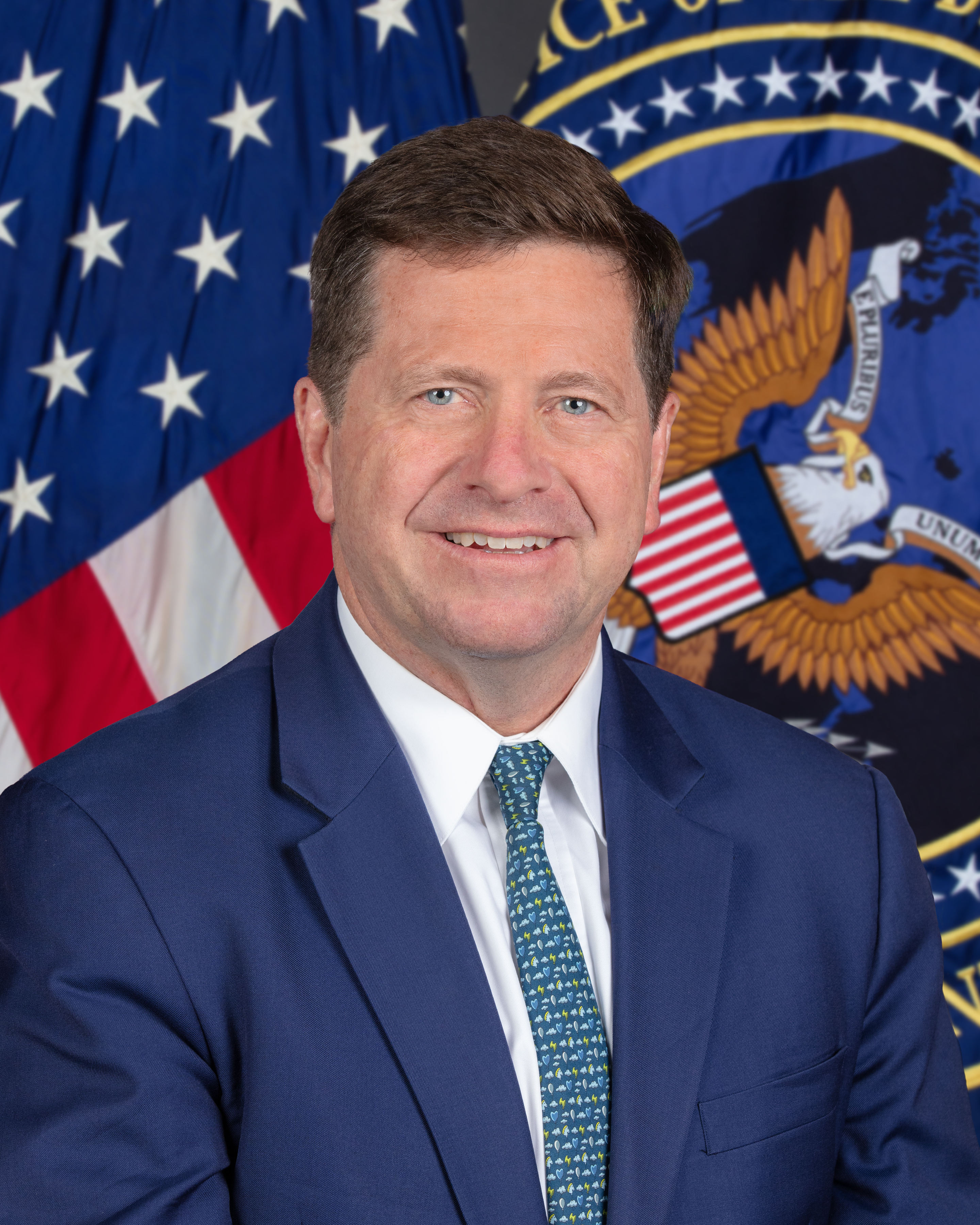
Director of National Intelligence Jay Clayton defended President Donald Trump’s description of Vladimir Putin as a friend on Sunday, while saying the Russian leader was not America’s friend in Ukraine. His November 22 television interviews put the administration’s account of nuclear diplomacy alongside a narrower assessment of Russia’s relationship with the United States.
What happened
Appearing on ABC’s “This Week,” Clayton said the president’s language fit the context of discussions among Trump, Putin and Chinese President Xi Jinping about preventing a nuclear incident. He called the use of “friend” in that setting “entirely appropriate.”
Co-anchor Jonathan Karl repeatedly asked whether Putin was America’s friend. Clayton eventually answered: “He is not America’s friend in Ukraine.” The published interview transcript shows that Clayton first returned to the summit’s nuclear context before giving that Ukraine-specific response.
Clayton portrayed the meeting as reassurance that the leaders could communicate amid international conflict and avoid nuclear escalation. That was his explanation of the summit’s importance, rather than an announcement in the interview of a new, detailed agreement on Ukraine. The exchange followed the leaders’ Shenzhen summit.
ABC reported that Trump had greeted Putin warmly in China, declined Friday to speak for America when asked about their friendship, and posted a photo with Putin on Saturday carrying a friendship caption. The questions to Clayton therefore concerned both Trump’s personal relationship with Putin and whether that relationship represented a broader U.S. assessment.
In a separate CNN interview, Dana Bash asked Clayton the same broader question. Mediaite’s written account reported that Clayton praised Trump for bringing the three leaders together and said he trusted the president’s choice of language. When Bash asked again for his personal view, he returned to the importance of the summit rather than directly labeling Putin a friend of the United States.
The Associated Press reported the two appearances together, describing Clayton’s defense of Trump’s language and his Ukraine qualification.
How outlets covered it
ABC News led with Clayton’s Ukraine qualification. Its headline highlighted his statement that Putin was not America’s friend in that conflict, while its opening paragraphs also included his defense of the president’s wording. The emphasis was on what Clayton said when pressed about U.S. interests beyond the personal greeting.
Associated Press led with Clayton’s defense of the friendship label. Its headline foregrounded his approval of Trump’s language, then the report connected the ABC and CNN exchanges. That placed the administration’s defense at the center while still including the Ukraine-specific answer.
Mediaite focused on the CNN questioning. Its account emphasized Bash asking twice whether Putin was a friend of the United States and Clayton responding with praise for Trump’s diplomacy. It framed the exchange as a confrontation over the president’s public presentation of his relationship with Putin.
ABC and AP highlighted different parts of the same answer: the Ukraine qualification and the defense of diplomatic language. Mediaite concentrated on the separate CNN exchange and the broader question Clayton did not directly answer there.
What’s disputed
The disagreement concerns what Trump’s language signals. Clayton defended it as appropriate for nuclear diplomacy; interviewers asked whether it also reflected an assessment that Putin was a friend of the United States. His explicit rejection of friendship in Ukraine did not provide a general answer covering every aspect of the relationship.
Opinion: The Civic Bearing’s Take
This section is opinion and reflects The Civic Bearing’s conservative perspective.
A president should have room to speak directly and civilly with rival leaders. Communication can serve American interests without requiring personal hostility at every meeting. The stronger test is whether diplomacy produces concrete, verifiable benefits and whether officials can explain those benefits clearly.
The administration should also distinguish courtesy from strategic judgment. Americans deserve a direct account of where interests overlap, where they conflict and what commitments can be enforced. Personal rapport is a tool of diplomacy; it should not substitute for an explanation of policy or for accountability when promised results fail to follow.
How this article was produced
This article was generated using AI from the sources linked below. It does not include firsthand reporting or interviews. Our editors monitor published articles and correct errors promptly. Claims attributed to outside sources have not been independently verified by this publication.
Found an error? Email corrections@thecivicbearing.com.
Sources
- ABC News — Clayton on Putin and Ukraine (November 22, 2026)
- ABC News — This Week interview transcript (November 22, 2026)
- Associated Press — Intelligence chief defends Trump’s Putin remarks (November 22, 2026)
- Mediaite — Bash questions Clayton on Putin (November 22, 2026)